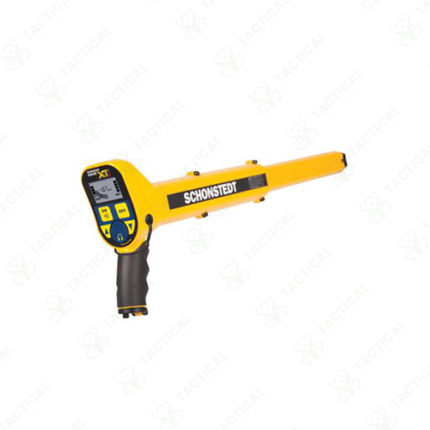
Underground Magnetic Locator
An underground magnetic locator is a portable metal detection instrument that identifies ferrous metal objects buried in soil through measurement of magnetic field disturbances caused by subsurface metal concentrations. These handheld devices enable rapid detection of buried utilities, archaeological artifacts, unexploded ordnance, and other ferrous metal targets without requiring excavation or visual surface indicators.
Operating principle employs a magnetometer sensor measuring Earth’s magnetic field variation caused by ferrous metal objects at depth. Ferrous metals including iron and steel create characteristic magnetic anomalies distinguishing them from surrounding soil. Sensitivity adjustment accommodates different target sizes and detection depths. Audio feedback through earphones alerts operators to detected magnetic anomalies during systematic scanning.
Depth estimation based on magnetic field strength decay rates helps operators predict target burial depth guiding excavation efforts. Discrimination features reduce false alerts from natural soil variation and iron contamination. Portable battery operation enables sustained field deployment across extended survey areas without external power requirements.
Detection range depends on target size, soil conductivity, and magnetic permeability. Utility-sized metal objects typically detect at depths of 1 to 3 meters under favorable conditions. Smaller targets and conductive soil reduce detection range proportionally.
In Pakistan, construction crews use magnetic locators detecting buried metal utilities preventing excavation damage. Utility companies employ them for infrastructure asset mapping. Archaeological teams locate buried metal artifacts and structures. Military EOD personnel search for unexploded ordnance and concealed metal threats.
Tactical Supply Pakistan supplies underground magnetic locators for construction, utility, archaeological, and military applications across Pakistan.
Showing the single result