UAV Neutralization
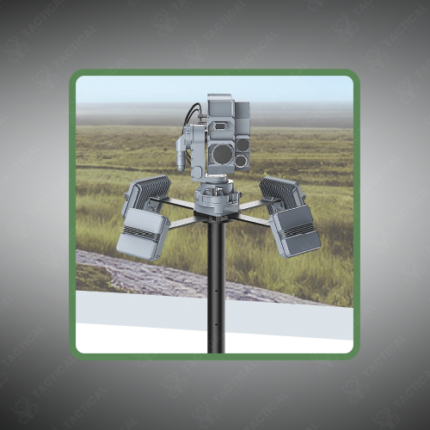
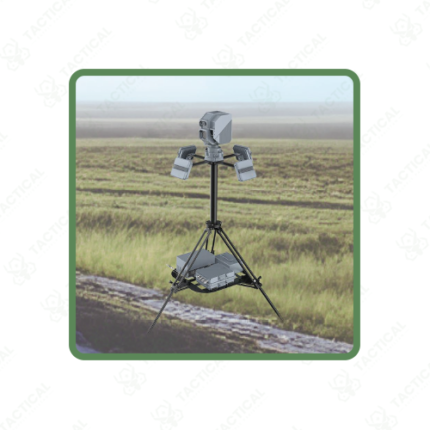
UAV neutralization systems defeat unauthorized unmanned aerial vehicles that have entered protected airspace, stopping drone threats from completing reconnaissance, payload delivery, or attack missions against personnel, facilities, and critical infrastructure. Pakistan Army security formations, law enforcement agencies, event security operators, and critical infrastructure protection units across Pakistan use UAV neutralization systems as the active response layer following detection and identification of a confirmed drone threat.
Neutralization methods divide into non-kinetic and kinetic categories. Non-kinetic methods cause no physical damage to the target drone or surrounding environment. RF jamming transmits interference across drone control link and GPS navigation frequencies. This forces most commercial drones into return-to-home, hover, or forced landing mode within seconds of jamming activation. Effective jamming range runs between 300 meters and 2 kilometers depending on transmitter output power and antenna configuration. Additionally, GPS spoofing feeds false position coordinates to the drone navigation system. The drone navigates toward a false location, redirecting it away from the protected area without alerting the operator to the intervention.
Directed energy laser systems blind electro-optical sensors on the drone airframe at ranges up to 1000 meters. This disrupts camera and targeting payload operation without physical destruction of the airframe. Furthermore, kinetic neutralization options include net-firing projectile launchers that entangle the drone propellers at ranges between 20 and 100 meters. Counter-drone UAV interceptors carry net or entanglement payloads, autonomously tracking and capturing the target airframe in flight. These kinetic methods suit scenarios where non-kinetic defeat fails or rules of engagement authorize physical destruction of the threat.
System selection depends on the operational environment, threat profile, and rules of engagement applicable to the deployment. Urban environments favor non-kinetic methods to avoid debris risk from kinetic defeat. Open terrain and military operational areas permit a wider range of defeat options. Moreover, all neutralization actions log automatically with timestamp, defeat method, target track data, and outcome record for post-incident reporting and operational review.
Tactical Supply Pakistan supplies UAV neutralization systems to Pakistan Army security formations, law enforcement agencies, critical infrastructure protection authorities, and event security operators requiring active drone defeat capability across fixed and mobile security operations throughout Pakistan.
Showing the single result