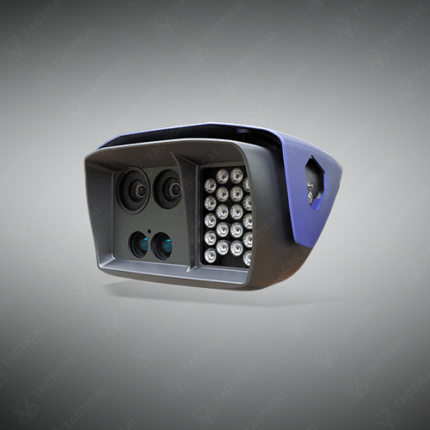
Speed Cameras
Speed cameras are automated enforcement devices that detect vehicle velocity using radar, laser, or pavement-embedded sensors, capture photographic evidence of speeding violations, and automatically generate enforcement citations without requiring traffic officers to conduct manual vehicle stops. These systems support traffic safety programs, reduce enforcement resource requirements, and provide objective velocity measurement independent of officer judgment or perception.
Detection technologies include fixed roadside radar units measuring approaching and receding vehicle speeds, laser speed guns providing precise single-vehicle measurement with minimal detection range, and in-pavement inductive loops counting vehicle axles to calculate speed from time intervals between axle passages. Radar systems measure multiple vehicles simultaneously across traffic lanes. Laser systems provide targeted single-vehicle speed measurement. Pavement sensors require vehicle passage for measurement activation.
Camera systems photograph the violating vehicle and driver, capturing license plate imagery for vehicle identification and facial imagery for driver identification where applicable. Timestamp and location data integrate with the speed measurement, documenting violation location and time for enforcement purposes. Images transmit to central processing centers for citation generation and mailing to registered vehicle owners.
In Pakistan, traffic police deploy speed cameras on major highways to enforce posted speed limits, motorway authorities use them for traffic safety management, municipal traffic departments install them in urban areas to reduce excessive speeding in residential zones, and toll authority programs integrate them for revenue protection and traffic management.
Tactical Supply Pakistan supplies speed cameras for traffic enforcement and highway safety applications across Pakistan.
Showing the single result