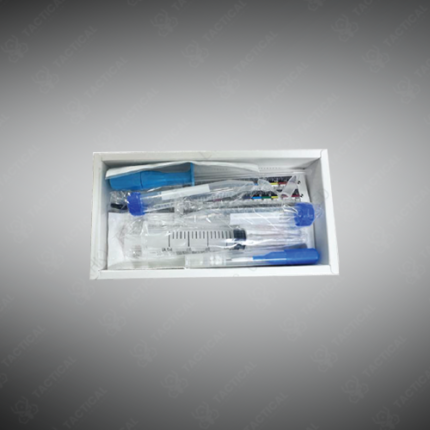
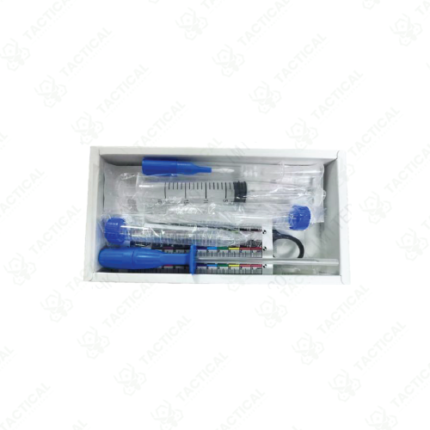
Specimen Preparation/Extraction
Specimen preparation and extraction covers the physical and chemical processing steps that convert raw biological, environmental, or forensic samples into a form suitable for downstream analytical testing. Forensic laboratories, hospital diagnostic departments, biosecurity screening units, and research institutions across Pakistan use specimen preparation and extraction workflows to isolate target analytes from complex sample matrices before DNA analysis, toxicology screening, microbial culture, or chemical identification procedures.
Biological specimen preparation begins with sample receipt and accessioning. Each sample receives a unique identifier logged against collection details before processing begins. Tissue samples require mechanical or chemical homogenization to disrupt cell structures and release intracellular contents. Blood and fluid samples centrifuge to separate cellular components from plasma or serum fractions. Additionally, formalin-fixed paraffin-embedded tissue blocks require deparaffinization and rehydration steps before nucleic acid or protein extraction, adding processing time compared to fresh frozen tissue samples but providing access to archived clinical specimens for retrospective diagnostic and research analysis.
Nucleic acid extraction uses silica column binding, magnetic bead capture, or organic solvent precipitation chemistry depending on the sample type and downstream application. Silica column kits achieve DNA or RNA purification in under 30 minutes from most standard biological samples. Magnetic bead platforms automate the same process across 96-well plate formats for high-throughput laboratory workflows processing large sample batches simultaneously. Furthermore, protein extraction uses detergent lysis buffers combined with protease inhibitor cocktails, releasing soluble protein fractions from cell and tissue samples while protecting target proteins from enzymatic degradation during the extraction procedure.
Environmental and forensic sample preparation adds matrix-specific steps before standard extraction protocols. Soil samples require pH adjustment and organic matter removal before DNA extraction to eliminate PCR inhibitors. Swipe and surface samples elute collected particles into liquid suspension before centrifugation concentrates the material for extraction. Moreover, quality control checks including A260/A280 spectrophotometric purity ratios and yield quantification by fluorometric assay confirm extraction success before the prepared specimen enters downstream analytical workflows.
Tactical Supply Pakistan supplies specimen preparation and extraction equipment, kits, and consumables to forensic DNA laboratories, hospital diagnostic units, biosecurity screening programs, and research institutions requiring reliable sample processing capability across biological, environmental, and forensic analytical workflows throughout Pakistan.
Showing the single result