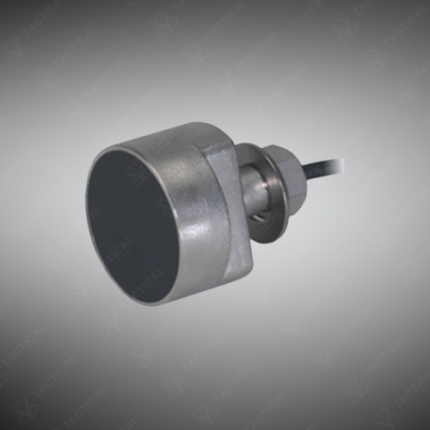
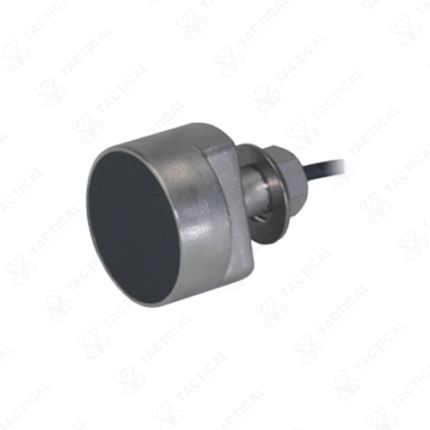
Smart Sonar Depth Sensor
Smart sonar depth sensors measure water depth and subsurface conditions by transmitting acoustic pulses downward from a transducer and measuring the time elapsed before the reflected echo returns from the bottom. These sensors integrate signal processing electronics directly into the transducer housing, delivering calibrated depth readings and additional water column data through digital output interfaces without requiring separate signal conditioning hardware at the installation point.
The transducer element uses piezoelectric ceramic construction operating at frequencies between 50 kHz and 200 kHz. Lower frequencies at 50 kHz penetrate deeper water columns and softer bottom sediments with less signal attenuation. Higher frequencies at 200 kHz deliver better depth resolution and bottom discrimination in shallow water applications. Beam angle on standard transducer designs runs between 8 and 20 degrees full cone angle, with narrow beam configurations reducing side-lobe bottom returns that cause false depth readings in areas with sloped or irregular bottom topography. Additionally, onboard temperature compensation circuits adjust the speed of sound calculation used in depth conversion based on measured water temperature, improving depth accuracy across the full operating temperature range without manual recalibration when water temperature changes seasonally.
Depth range on smart sonar depth sensor models covers 0.2 meters minimum to between 100 and 1000 meters maximum depending on operating frequency and transducer power level. Depth accuracy runs within plus or minus 0.1% of measured depth on quality sensors under standard calm water conditions. Furthermore, digital output interfaces include NMEA 0183 serial, NMEA 2000 CAN bus, RS-232, and Modbus RTU protocols, connecting directly to vessel navigation systems, hydrographic survey software, and industrial process control platforms without analog signal conditioning hardware between the sensor and the data acquisition system.
Power consumption on smart sonar depth sensors runs between 0.5W and 5W depending on ping rate and output interface activity, supporting battery-powered deployment on autonomous survey vessels and remote buoy installations. Moreover, stainless steel or bronze housing options with depth ratings to 600 meters protect internal electronics against corrosion and pressure in marine and freshwater deployment environments across Pakistan’s rivers, reservoirs, and Arabian Sea coastal operations.
Tactical Supply Pakistan supplies smart sonar depth sensors to hydrographic survey teams, port management authorities, naval vessel equipment programs, inland waterway operators, and dam safety monitoring agencies requiring accurate digital depth measurement capability across Pakistan’s coastal and inland water environments.
Showing the single result