Smart Shooting Systems
Smart shooting systems integrate fire control electronics, ballistic computation, target tracking, and weapon stabilization into a unified platform that improves first-round hit probability and extends effective engagement range beyond what unassisted shooter skill achieves alone. Military units, law enforcement special response teams, and counter-terrorism formations across Pakistan deploy smart shooting systems on sniper platforms, vehicle-mounted weapon stations, and remote-controlled turrets to engage targets accurately under conditions including moving targets, adverse weather, and high-stress operational environments.
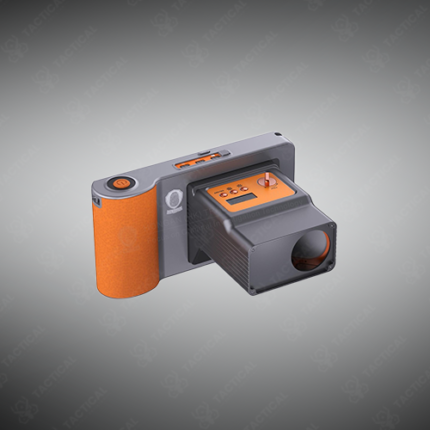
The fire control unit combines a day or thermal imaging sight with an embedded ballistic computer, laser rangefinder, digital compass, wind sensor, and atmospheric pressure sensor into a single sight assembly. The ballistic computer receives measured range, wind speed and direction, temperature, barometric pressure, cant angle, and ammunition data inputs. It calculates the required elevation and windage correction for the specific shot geometry in under one second. The shooter applies the computed correction through a dynamic aiming point reticle displayed in the sight eyepiece. Additionally, target tracking modes on advanced systems lock onto a designated moving target using image processing algorithms, updating the ballistic solution continuously as the target moves before and during trigger actuation to compensate for target movement lag in the shot delivery.
Stabilized weapon mount configurations use two-axis or three-axis gyroscopic stabilization platforms to hold the weapon on the designated aim point despite vehicle motion, operator movement, and wind loading on the weapon barrel. Stabilization accuracy runs within 0.1 milliradians under standard vibration conditions, maintaining aim point stability at ranges where unsupported shooting produces unacceptable dispersion. Furthermore, remote weapon station configurations allow the operator to engage targets from a protected crew position inside an armored vehicle, observing through an electro-optical sight feed on a control screen rather than through a direct-view eyepiece at the weapon mount position.
Data recording systems log video, engagement parameters, ballistic solutions, and hit or miss outcomes for after-action review and marksmanship training analysis. Moreover, communication interfaces connect the fire control system to command networks, allowing target designation data sharing between multiple weapon stations during coordinated engagement operations.
Tactical Supply Pakistan supplies smart shooting systems to Pakistan Army special operations units, counter-terrorism formations, law enforcement tactical response teams, and armored vehicle weapon station programs requiring advanced fire control and stabilized engagement capability across Pakistan’s security and defense requirements.
Showing the single result