Shooting Stalls for Live Fire Ranges
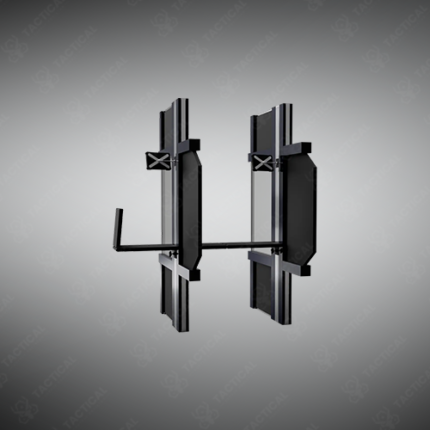
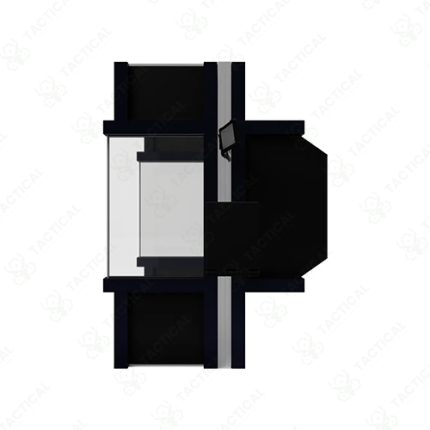
Shooting stalls for live fire ranges create a contained lane for each shooter, separating one firing position from the next during active training or qualification sessions. Panel construction combines a steel frame with ballistic-rated barrier material, typically rubber-backed steel or layered rubber composite, absorbing rounds and reducing ricochet between adjacent lanes. Panel height usually runs 1.8 to 2.2 metres, tall enough to block cross-lane visibility and stop stray fragments from reaching neighboring shooters.
Width per stall generally falls between 1 and 1.5 metres, enough space for standing, kneeling, or bench-rested shooting positions without feeling cramped during a full session. Mounting methods include permanent bolt-down installation for fixed indoor ranges and a free-standing weighted base for outdoor or mobile range setups that move between locations. Front sections often include a bench shelf, holding magazines, ear protection, or a support rest for handguns and rifles between strings of fire.
Overhead baffle panels attach on some stall configurations, catching rounds fired at a slight upward angle before they clear the lane’s boundary. A matte surface coating on most panels cuts down glare under range lighting, useful during long qualification sessions where shooters fire from the same stall for extended periods. Rear ventilation gaps or mesh sections let lead dust and gunpowder residue clear during use, addressing air quality concerns common in enclosed range environments.
Police and military training academies use these stalls for qualification courses running multiple shooters simultaneously under instructor supervision. Private and commercial shooting ranges install them to meet safety requirements for public-use live fire facilities. Security firms training armed guards also use stall-equipped ranges for standardized firearms qualification.
Tactical Supply Pakistan supplies shooting stalls for live fire ranges to police academies, military training facilities, and commercial range operators across Pakistan. Panel count and configuration are matched to available range space and expected shooter volume.
Showing the single result