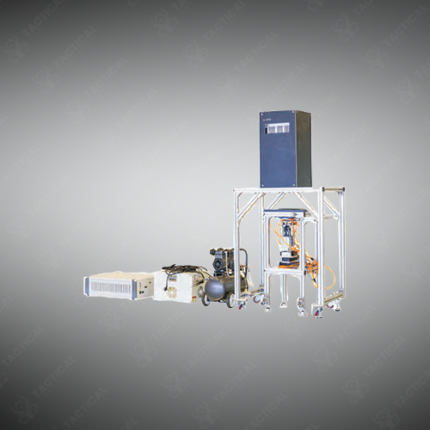
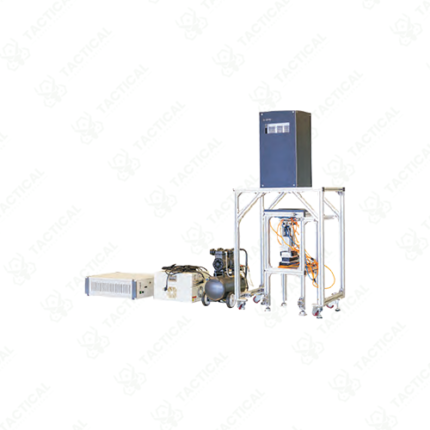
Screen Exposure Machine
Screen exposure machines use ultraviolet light to transfer artwork, text, and graphic designs from a film positive or direct-to-screen (DTS) output onto a light-sensitive emulsion-coated screen mesh — creating the stencil used in screen printing production. These machines give print shops, garment decorators, and industrial printers consistent, repeatable exposure results across different mesh counts, emulsion types, and design complexities.
The exposure process works by projecting UV light through a film positive placed in direct contact with the emulsion-coated screen. UV wavelengths harden the emulsion in exposed areas — the unexposed areas wash out during development, leaving open mesh areas that allow ink to pass through during printing. Exposure time determines emulsion hardness, edge definition, and print durability. Under-exposure produces soft, fragile stencils that break down during printing runs. Over-exposure fills fine detail and halftone dots. Furthermore, consistent UV intensity across the full exposure area is critical — uneven light distribution creates density variations that affect ink deposit uniformity across the print.
Light sources in screen exposure machines include metal halide lamps, fluorescent UV tubes, and LED UV arrays. Metal halide units produce high-intensity broadband UV output — exposing large format screens quickly at commercial production speeds. LED UV exposure systems use arrays of 365nm or 395nm LEDs — offering longer lamp life exceeding 50,000 hours, consistent output without warm-up time, and lower power consumption compared to metal halide alternatives. Additionally, vacuum drawdown systems in professional exposure machines use a vacuum blanket to press the film positive into perfect contact with the emulsion surface — eliminating light undercutting that blurs edge definition on fine detail artwork.
Exposure unit sizes range from 30cm × 40cm on tabletop units for small format garment printing to 1.5m × 2m on industrial format machines for large-format graphics and textile printing. Digital direct exposure machines project artwork directly onto the emulsion using UV laser or LED arrays without film positives — eliminating film output costs and improving fine detail reproduction on halftone and four-color separation prints.
These machines serve Pakistan’s garment screen printing industry in Lahore and Faisalabad, textile export manufacturers, advertising and signage print shops across Karachi and Islamabad, and industrial component marking operations requiring accurate, repeatable photostencil production for high-volume screen printing production.
Tactical Supply Pakistan supplies screen exposure machines for garment printing, textile production, signage, and industrial screen printing procurement across Pakistan.
Showing the single result