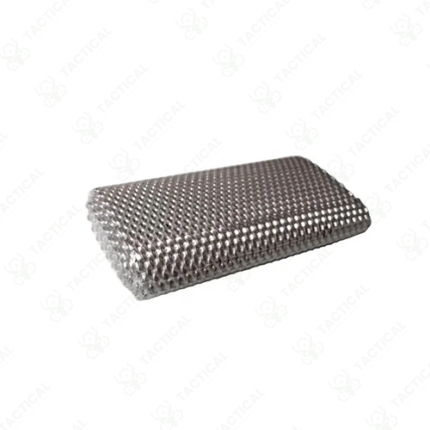
Rolled Wire Splints
Rolled wire splints support broken or injured limbs during transport to medical care. Each splint is a ladder-style wire frame, wrapped in padding and covered with fabric or foam on both sides. The wire core bends into any shape needed. This lets one splint size fit an arm, leg, or finger without needing separate splints for each body part. Standard lengths run from 30cm for small joint injuries up to 1 metre for full-leg support.
The splint rolls flat for storage. This saves space in a medical kit compared to rigid plastic splints that hold one fixed shape. Once unrolled, the wire holds its bent position without springing back, so the splint stays in place around a limb during movement. Weight stays under 200 grams for most sizes, adding little bulk to a first aid bag or vehicle medical kit.
Padding is usually foam or felt, covered with a wipeable fabric layer. This protects skin from the wire frame while allowing basic cleaning after use. Some versions include a self-adhesive strip along one edge, holding the splint in place before a bandage wraps around it. Field medics apply these splints faster than rigid alternatives, since the shape adjusts on the spot rather than needing a pre-selected size.
Army medics use rolled wire splints during combat first aid, where space and weight in a medical kit matter. Ambulance crews and hospital emergency departments also stock them for fracture stabilization before X-ray or casting. Mountain rescue teams carry these splints too, since the light weight and flexible shape suit injuries that happen far from a vehicle.
Tactical Supply Pakistan supplies rolled wire splints to army medical units, ambulance services, and mountain rescue teams across Pakistan. Splints come in multiple lengths, packed individually or in bulk sets for medical kits.
Showing the single result