Rigid-Hulled Inflatable Boats
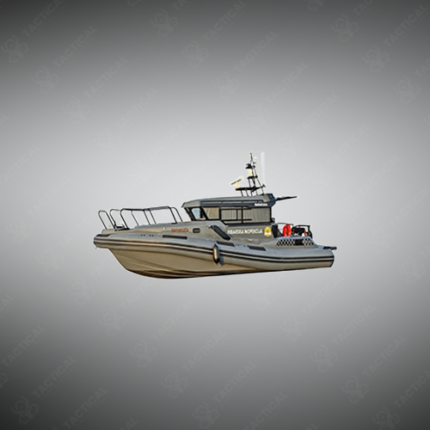
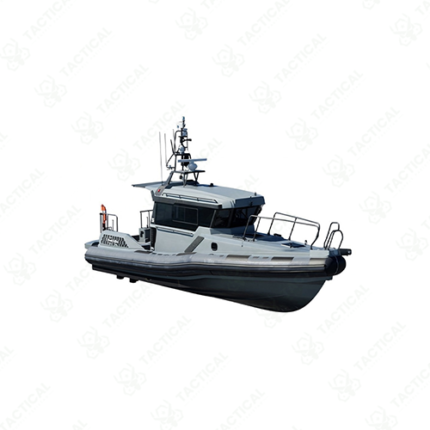
A rigid-hulled inflatable boat gets its name from the fixed hull running along the boat’s centreline and bottom, with inflatable tubes forming the sides above the waterline. This construction lets the boat plane at speed like a hard-hull craft, while the tubes absorb shock from waves and act as a buffer during docking or boarding operations. Hull deadrise angle typically ranges from 18 to 24 degrees, a steeper angle giving a softer ride through chop at the cost of some stability at rest.
Materials used for the hull include fiberglass composite and welded aluminum, chosen based on expected use and budget. Aluminum hulls resist damage from rocks and debris better in shallow or unmarked waters, while fiberglass hulls often run lighter for the same length, improving fuel efficiency at cruising speed. Tube diameter usually falls between 40 and 60cm, providing freeboard height that keeps water from washing over the sides in moderate swells. Internal chambers, usually 5 to 8 per boat, keep the vessel afloat even if one section takes damage from a sharp object or collision.
Naval and paramilitary units use rigid-hulled inflatables for boarding operations, where the tubes let personnel climb aboard from the water or come alongside another vessel without damaging either hull. Offshore patrol teams monitoring fishing zones or smuggling routes value the hull’s ability to hold speed in rougher water than a flat-bottom boat would manage. Diving and survey teams also use these boats as stable platforms for equipment deployment away from shore.
Tactical Supply Pakistan supplies rigid-hulled inflatable boats to naval units, offshore patrol teams, and survey operations across Pakistan. Hull material, tube diameter, and chamber count are selected based on the water conditions and mission profile each buyer expects to operate in.
Showing the single result