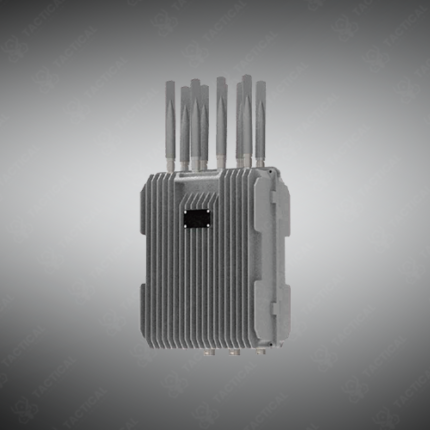
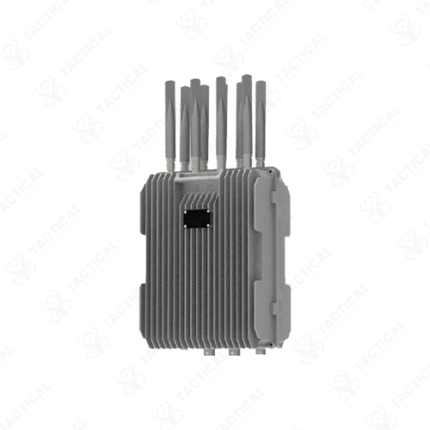
RF ID Drone Scanner
An RF ID drone scanner detects nearby drones by picking up the radio signals sent between a drone and its remote controller. It doesn’t jam or interfere with anything. It only listens. Frequency coverage usually spans 2.4GHz and 5.8GHz bands, the range most consumer and commercial drones use for control and video transmission. Detection range varies from 500 metres in dense urban areas up to 5 kilometres in open terrain, depending on antenna height and surrounding interference.
The scanner identifies drone type, signal strength, and often the direction the signal is coming from, using a built-in directional antenna array. Some models decode telemetry data broadcast by certain drone models, showing operator location if the drone transmits that information openly. Screens display this as a map or compass-style readout, updating in real time as a drone moves through coverage range. Units run on rechargeable battery packs, lasting 4 to 8 hours per charge, with mains power options for fixed installation at a perimeter site.
Airports and stadiums use drone scanners to catch unauthorized drone activity near restricted airspace before it becomes a safety issue. Prisons use them to detect drones attempting to drop contraband over walls. Event security teams at large public gatherings also rely on drone scanners to spot aerial surveillance or unauthorized filming during high-profile functions, giving security staff enough warning to respond before the drone gets close.
Tactical Supply Pakistan supplies RF ID drone scanners to airports, correctional facilities, and event security teams across Pakistan. Units come with a directional antenna, carry case, and software for logging detected drone activity over time.
Showing the single result