Raman Spectroscopy for Food Analysis
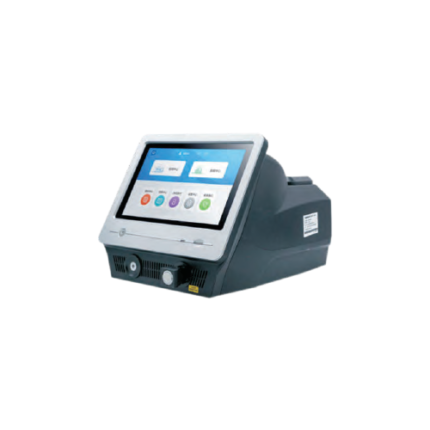
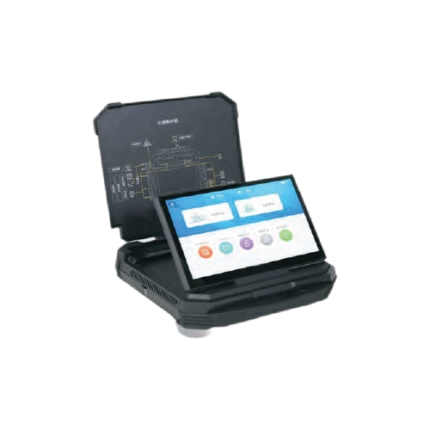
Raman spectroscopy for food analysis uses laser-induced molecular scatter to identify adulterants, verify ingredient authenticity, and detect contamination in food products and raw agricultural commodities without sample preparation or destructive testing of the inspected material. Food safety authorities, customs inspection teams, wholesale market inspection officers, and food manufacturing quality assurance departments across Pakistan use this technique to screen incoming raw materials and finished products for economically motivated adulteration and prohibited additive use.
The technique directs a focused laser beam onto the food sample directly or through transparent packaging film, collecting the Raman scatter spectrum and comparing it against reference spectral libraries to confirm or flag the sample composition. Excitation at 1064nm near-infrared wavelength suppresses fluorescence background from naturally colored food matrices including turmeric, chili powder, saffron, and edible oils where shorter wavelength lasers produce overwhelming fluorescence that masks adulterant signals. Additionally, detection sensitivity for common food adulterants runs between 0.1% and 1% by weight concentration for most validated compound and matrix combinations, covering melamine in milk powder, Sudan I through IV dyes in spices, metanil yellow in gram flour and turmeric, rhodamine B in chili products, and starch additions in dairy and spice commodities commonly adulterated in Pakistan’s wholesale markets.
Through-packaging measurement capability identifies adulterants inside sealed retail bags, glass jars, and bulk packaging sacks without opening containers during inspection, maintaining product integrity and reducing contamination risk during the screening process. Furthermore, portable instrument configurations allow inspection teams to conduct on-site screening at import entry points, wholesale distribution centers, and retail market premises without transporting samples to a laboratory facility, significantly reducing the time between sample collection and actionable result availability.
Quantitative Raman analysis using chemometric calibration models determines adulterant concentration rather than simple presence or absence, providing data for regulatory enforcement decisions requiring concentration threshold comparisons against permitted limits. Moreover, result records store with GPS coordinates, product batch information, operator ID, and timestamp fields supporting regulatory traceability and enforcement documentation requirements under Pakistan’s food safety regulatory framework.
Tactical Supply Pakistan supplies Raman spectroscopy instruments and accessories for food analysis to Pakistan Standards and Quality Control Authority inspection teams, port and border food inspection units, food manufacturing quality assurance departments, and public health food safety programs requiring field and laboratory food adulterant detection capability throughout Pakistan.
Showing all 2 resultsSorted by latest