Radon Testing
Radon testing measures the concentration of radon-222 gas inside buildings, mines, and underground workspaces to determine whether occupant exposure levels fall within acceptable limits or require remediation action. Building safety programs, workplace health compliance requirements, and real estate transaction due diligence processes across Pakistan drive demand for radon testing services and equipment, particularly in areas where granite, limestone, and uranium-bearing geological formations release elevated radon concentrations into overlying structures.
Short-term radon testing uses electronic continuous monitors or activated charcoal adsorption kits deployed for 2 to 7 days in the lowest occupied floor of the building with windows and doors closed during the measurement period. Activated charcoal kits adsorb radon gas from the air onto the charcoal bed during the deployment period, with the kit sealed and sent to a laboratory for gamma spectrometry analysis of radon decay product accumulation on the charcoal. Results return within 3 to 5 business days of laboratory receipt. Additionally, electronic short-term monitors display radon concentration readings in real time during deployment, with averaged results available immediately at the end of the measurement period without laboratory submission.
Long-term radon testing uses passive alpha track detectors deployed for 90 days or longer, recording integrated radon exposure across seasonal variation in soil gas pressure and building ventilation behavior. Alpha track detectors give a more representative annual average exposure estimate than short-term tests conducted during a single weather period. Furthermore, long-term test results carry greater weight in regulatory compliance decisions and building certification assessments, as short-term results may not reflect the full range of radon concentration variation the building experiences across the year.
Interpretation of radon test results uses WHO reference levels of 100 Bq/m³ for residential environments and 300 Bq/m³ as a common workplace action level. Results above these thresholds trigger remediation measures including sub-slab depressurization, increased mechanical ventilation, and foundation sealing. Moreover, post-remediation confirmation testing verifies that implemented measures reduced radon concentration below action levels before returning the building to normal occupancy.
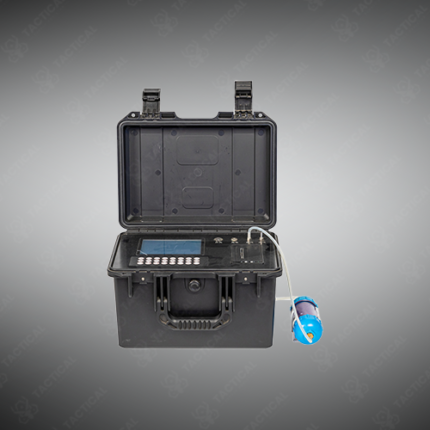
Tactical Supply Pakistan supplies radon testing equipment, passive detector kits, and electronic radon monitors to building safety inspection services, mine health and safety departments, real estate inspection companies, and public health survey programs requiring accurate radon exposure assessment across residential, commercial, and underground environments throughout Pakistan.
Showing the single result