Radionuclide Identification Devices
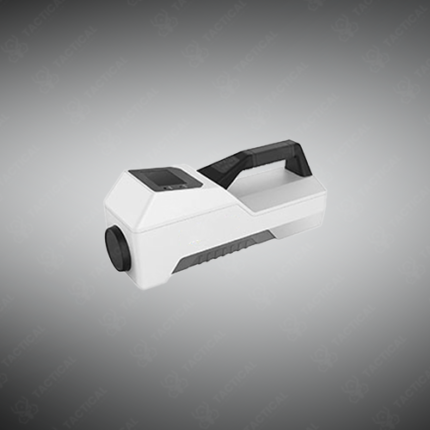
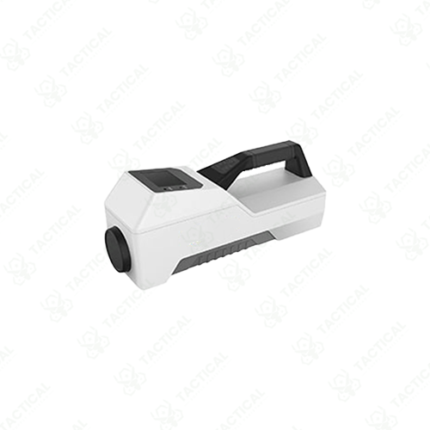
Radionuclide identification devices detect gamma radiation and analyze the energy spectrum of detected photons to identify specific radioactive isotopes present in the measurement environment, delivering isotope name, activity estimate, and threat category classification rather than a simple dose rate reading. Border security officers, radiation protection inspectors, emergency responders, and military radiological survey teams across Pakistan use these devices to determine whether detected radiation originates from legitimate medical, industrial, or naturally occurring sources, or from isotopes associated with nuclear weapons and radiological dispersal device construction.
The detection element uses a scintillation crystal, typically sodium iodide, cesium iodide, or lanthanum bromide, coupled to a photomultiplier tube or silicon photomultiplier readout circuit. Each gamma photon interaction in the crystal produces a light pulse proportional to the photon energy, building a histogram of detected photon energies that forms the measured gamma spectrum. Lanthanum bromide crystals achieve energy resolution below 3% at 662 keV. This resolution level separates closely spaced isotope peaks that overlap and cause misidentification on lower-resolution sodium iodide detectors. Additionally, crystal sizes in handheld RID devices run between 1.5 x 1.5 inches and 2 x 2 inches, balancing detection sensitivity against instrument weight and form factor for field carry.
Onboard isotope libraries cover medical radioisotopes including technetium-99m and iodine-131, industrial sources including cesium-137, cobalt-60, and iridium-192, naturally occurring radioactive materials including thorium-232, uranium-238, and potassium-40, and special nuclear materials including uranium-235 and plutonium-239. Identification algorithms process the measured spectrum against library entries and display confirmed identifications within 5 to 30 seconds of adequate count accumulation. Furthermore, NORM suppression functions separate naturally occurring background contributions before identification processing, reducing false alarms in granite-bearing terrain and on cargo loads with elevated natural radioactivity common in mineral ore shipments at Pakistani ports and border crossings.
Neutron detection modules on combined RID instruments use lithium-6 or helium-3 detector elements, flagging neutron presence as a high-priority alarm given the limited legitimate sources of neutron radiation outside controlled nuclear facilities. Moreover, GPS-tagged detection records with timestamp, isotope identification, dose rate, and activity estimate store onboard and transfer via Bluetooth or USB to field command systems for operational reporting and regulatory documentation.
Tactical Supply Pakistan supplies radionuclide identification devices to border security nuclear detection units, Pakistan Nuclear Regulatory Authority inspection teams, military radiological survey formations, and industrial radiation safety officers requiring isotope-specific radiation identification capability across Pakistan’s nuclear security and radiation protection requirements.
Showing the single result