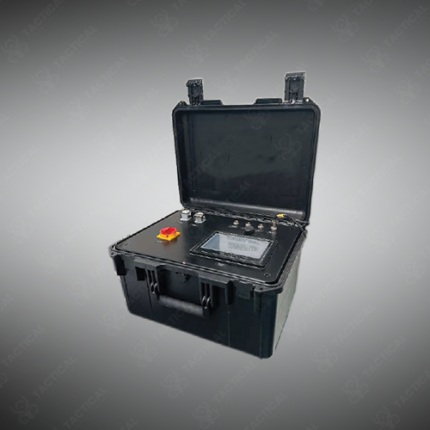
Pressure Decay Leak Test Systems
A pressure decay leak test system measures the rate of pressure loss within a sealed container over time. It detects leaks by monitoring how quickly pressurized gas escapes through micro-defects or cracks. Visual inspection alone cannot see these small defects. This method suits systems where introducing water would contaminate contents.
The system pressurizes the test chamber to a defined reference pressure. It uses dry nitrogen or compressed air. The pressure source then isolates. Pressure transducers with 0.1 percent full-scale sensitivity detect minute pressure decline rates. Automated control systems establish baseline pressure, apply temperature correction factors, and calculate leak rate. Results display in pressure per unit time or volume flow rate equivalents. Direct comparison against system specifications becomes possible.
Test duration ranges from seconds on high-sensitivity systems to minutes or hours on larger volumes. High-sensitivity systems detect very small leaks reliably. Larger volumes or higher acceptable leak thresholds require extended testing. Temperature compensation algorithms account for ambient drift during testing. This prevents false leak calculations from thermal pressure variation. Meanwhile, data logging records pressure traces and calculated leak rates. Documentation and trend analysis across repeated test cycles benefit from this logging.
In Pakistan, military vehicles use these systems to verify hydraulic system integrity. Diving and firefighting equipment rely on them for breathing gas cylinder safety. Security system sealed electronic enclosures require leak testing verification. Industrial manufacturers use them for pressure vessel quality control.
Tactical Supply Pakistan supplies pressure decay leak test systems for military, diving, security, and industrial manufacturing applications across Pakistan.
Showing the single result