Portable X Ray
Portable X-ray systems produce diagnostic radiographic images at field locations, forward medical facilities, and point-of-care positions where fixed radiology room infrastructure is unavailable. Military medical units, disaster response medical teams, remote hospital outposts, and emergency field surgery teams across Pakistan use portable X-ray equipment to diagnose fractures, locate foreign bodies, assess chest conditions, and guide trauma management decisions without transporting patients to a fixed radiology facility.
The X-ray generator on portable systems uses a high-frequency inverter circuit to produce the kilovoltage and milliampere-second output required for diagnostic imaging, with portable generator weight running between 3.5 and 8 kilograms depending on maximum kilovoltage and output power specification. Kilovoltage range on field-portable generators runs between 40 kVp and 110 kVp, covering standard chest, extremity, and spine radiographic techniques within a single unit. Milliampere output runs between 1 mA and 100 mA depending on the portable generator model, with higher mA output reducing exposure time and motion blur risk on uncooperative or unstable trauma patients. Additionally, battery-powered portable X-ray generators provide between 100 and 400 exposures per full charge depending on technique settings used during the imaging session, supporting a full day of field diagnostic imaging without mains recharging.
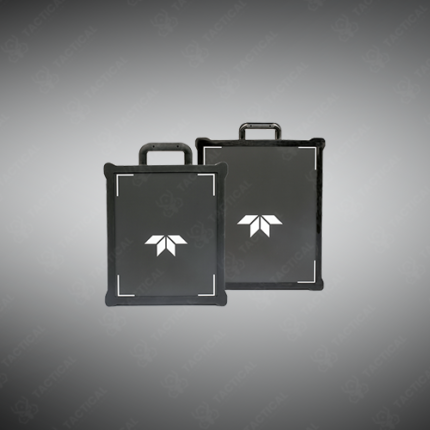
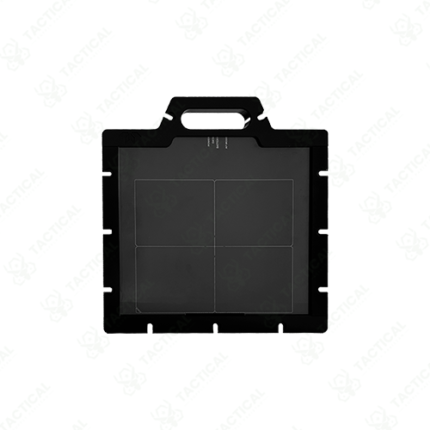
Digital detector panels replace film and computed radiography cassettes in current portable X-ray systems, using cesium iodide or gadolinium oxysulfide scintillator layers bonded to an amorphous silicon flat panel detector array. Panel sizes run from 17×17 inches for full chest and spine imaging down to 10×12 inches for extremity and pediatric work. Furthermore, image acquisition time from exposure to diagnostic-quality image display runs between 3 and 7 seconds on current wireless digital detector panels, with images transmitting to a connected tablet or laptop display via WiFi without cable connection between the detector and the viewing workstation.
Radiation safety compliance requires lead shielding for operators and nearby personnel during X-ray exposures, with portable lead aprons and thyroid shields included in complete portable X-ray system packages. Moreover, total system weight including generator, detector panel, battery, and carry case runs between 10 and 20 kilograms on field-optimized configurations, supporting two-person carry and setup at forward medical positions.
Tactical Supply Pakistan supplies portable X-ray systems to Pakistan Army medical units, disaster response medical teams, remote hospital facilities, and emergency medical service operators requiring field-deployable diagnostic radiography capability across medical and trauma care environments throughout Pakistan.
Showing the single result