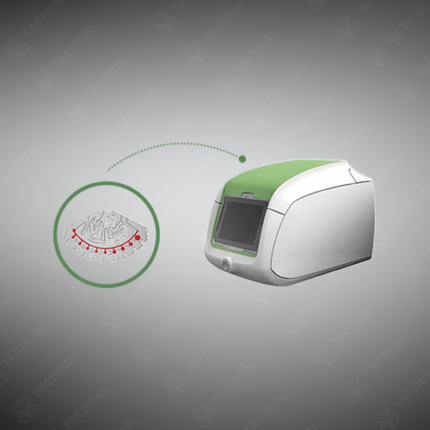
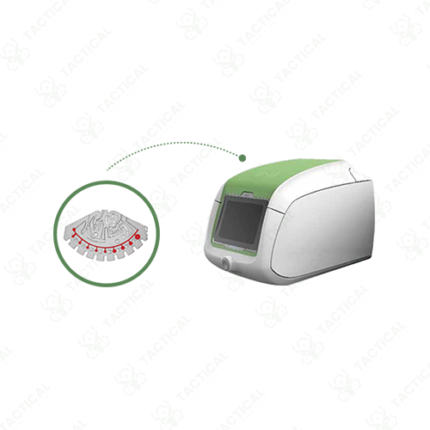
Portable Chemistry Analyzer
A portable chemistry analyzer runs blood and fluid tests outside a hospital lab setting. It measures glucose, electrolytes, liver enzymes, kidney markers, and lipid levels from a small sample, often just a few drops of blood. Results print or display on screen within 5 to 15 minutes, depending on the test panel selected. Most field units weigh 2 to 5 kilograms and run on rechargeable battery packs, with 4 to 8 hours of continuous use per charge. Test cartridges are single-use and sealed, reducing contamination risk between patients.
The analyzer works through reagent strips or microfluidic cartridges. A sample goes into the cartridge slot, and the device reads chemical reactions using light absorption or electrochemical sensors. Screens are usually 4 to 7 inches, showing numeric results alongside reference ranges so medical staff can flag abnormal readings quickly. Data ports (USB or Bluetooth) allow results to sync with hospital records or field reporting systems.
Field hospitals and army medical units use these analyzers during deployments where a full lab isn’t available. Disaster relief teams working after floods or earthquakes rely on them to screen patients for kidney function or blood sugar issues on site, rather than sending samples to a distant lab and waiting days for results. Remote clinics in northern areas, where lab infrastructure is limited, also use similar units for routine patient screening.
Tactical Supply Pakistan supplies portable chemistry analyzers to field medical teams, army units, and relief organizations operating in areas without lab access. Each unit comes with a starter set of test cartridges, a charging dock, and a carry case built for transport over rough terrain.
Showing the single result