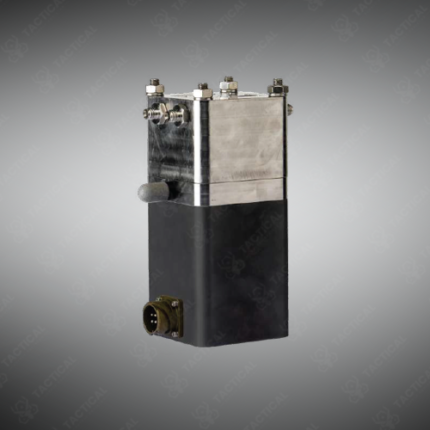
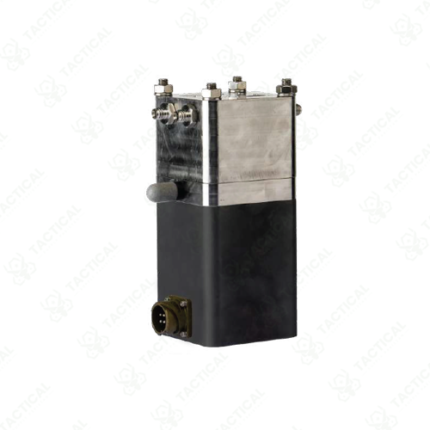
Pneumatic Single Carriage and Release Systems
Pneumatic single carriage and release systems use compressed gas — typically nitrogen or dry air — to secure, carry, and release a single store from an aircraft pylon, wing station, or internal weapons bay. These systems replace pyrotechnic impulse cartridge ejection with clean gas operation — eliminating explosive residue, reducing maintenance requirements, and delivering consistent release performance across multiple cycles without single-use component replacement after each mission.
The system consists of a pneumatic piston actuator integrated into the carriage hook assembly. On release command, compressed gas from an onboard accumulator drives the piston — disengaging the hook latch and applying a positive ejection force to the store simultaneously. This positive ejection force separates the store cleanly from the aircraft at a defined velocity and attitude — preventing store-to-aircraft contact during separation in high-dynamic-pressure flight conditions. Furthermore, pneumatic operation generates no hot gas products or explosive residue inside the pylon or weapons bay — returning the carriage to a serviceable condition without cleaning between sorties.
Hook assemblies use 14-inch or 30-inch lug spacing depending on the store and aircraft interface standard. Working pressures on single carriage pneumatic systems typically range from 3,000 to 5,000 PSI from onboard nitrogen or compressed air bottles. Pressure vessels integrate into the pylon or wing station without external gas bottle connections — simplifying aircraft integration and reducing drag. Additionally, pneumatic single carriage systems comply with MIL-A-8591 store suspension and release interface standards — maintaining interoperability with the same stores cleared for conventional pyrotechnic release systems on the same aircraft.
Solenoid-actuated control valves receive the release signal from the aircraft stores management system. They open in under 10 milliseconds — delivering the full pneumatic impulse to the ejection piston within the release timing window specified by the weapon’s separation envelope. Safe and arm functions prevent inadvertent release through dual-interlock valve designs requiring simultaneous arm and release signals before gas flow initiates.
These systems apply directly to Pakistan Air Force combat aircraft weapons integration programs, Pakistan Aeronautical Complex JF-17 Thunder pylon and stores release system development, Pakistan Navy maritime patrol aircraft weapons carriage upgrades, and defense research programs at NESCOM requiring non-pyrotechnic store release solutions for aircraft integration across Pakistan’s combat aviation fleet.
Showing the single result