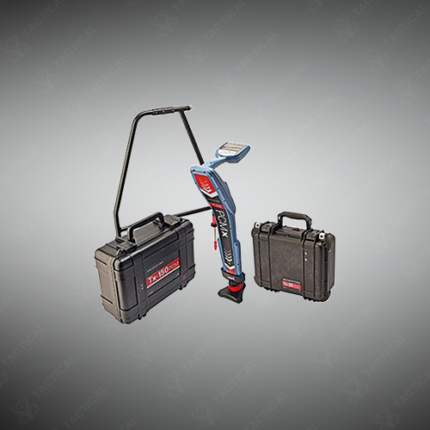
Pipeline Integrity
Pipeline integrity management covers the systematic application of inspection, monitoring, assessment, and maintenance activities that keep buried and above-ground pipelines operating safely within their design pressure and flow parameters throughout their service life. For gas transmission, fuel distribution, and water supply operators across Pakistan, structured integrity management programs reduce the risk of unplanned failures, regulatory non-compliance, and the environmental and safety consequences that follow pipeline perforation or rupture events.
Integrity assessment begins with baseline data collection covering original design specifications, material certificates, weld records, installation depth, coating type, cathodic protection system design, and operating pressure history for each pipeline segment under management. This baseline dataset identifies the threat mechanisms most relevant to each segment, including internal corrosion from transported fluid chemistry, external corrosion from soil aggressiveness and cathodic protection gaps, stress corrosion cracking in high-pressure gas lines, and mechanical damage risk from third-party excavation activity in populated corridors. Additionally, risk ranking models assign inspection priority scores to pipeline segments based on consequence of failure and likelihood of defect occurrence, directing inspection resource allocation toward highest-risk sections first.
In-line inspection using magnetic flux leakage or ultrasonic sensor pigs provides the most complete internal and external wall condition dataset for piggable pipeline sections, with defect sizing accuracy sufficient to calculate remaining safe operating pressure and remaining life estimates for identified anomalies. Furthermore, direct assessment methods apply for non-piggable pipeline sections, using external corrosion direct assessment protocols combining close interval potential surveys, soil corrosivity testing, and targeted excavation for direct measurement at high-risk locations identified through surface survey data analysis.
Defect assessment follows recognized fitness-for-service standards including ASME B31G and DNV-RP-F101, calculating acceptable operating pressure for pipelines carrying corrosion defects of measured dimensions. Moreover, integrity management software platforms consolidate inspection data, defect records, risk scores, and maintenance action logs into a single asset database, generating inspection scheduling recommendations and regulatory reporting outputs for pipeline operators managing large multi-segment networks.
Tactical Supply Pakistan supplies pipeline integrity assessment instruments, inspection tools, cathodic protection monitoring equipment, and integrity management system solutions to gas distribution operators, fuel pipeline companies, and water utility authorities requiring structured pipeline safety management capability across pipeline assets throughout Pakistan.
Showing the single result