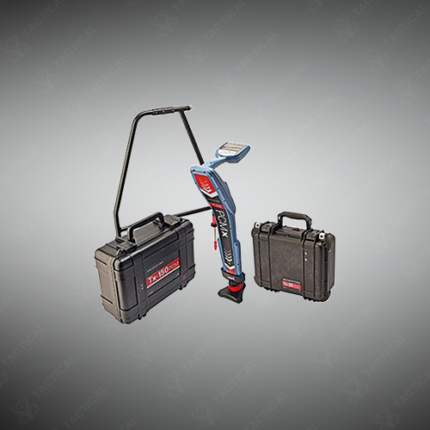
Pipeline Integrity & Corrosion Control
Pipeline integrity and corrosion control programs combine active inspection, electrochemical protection, and chemical treatment methods to maintain pipeline structural condition and prevent metal loss from advancing to failure-level severity across gas transmission, fuel distribution, and water supply networks. Running both functions under a unified management framework ensures that corrosion control measures directly respond to integrity assessment findings rather than operating as independent maintenance activities with separate data streams.
Corrosion control on buried metallic pipelines uses cathodic protection as the primary defense mechanism, with impressed current systems or sacrificial anode arrays maintaining pipe-to-soil potential at or below -0.85V versus copper-copper sulfate reference electrode across the full protected length. Rectifier output current and anode bed condition require periodic adjustment and inspection to compensate for soil resistance changes across seasons and increasing anode consumption over time. Additionally, pipeline coating systems including fusion-bonded epoxy, polyethylene tape wrap, and three-layer polyethylene provide a physical barrier between pipe steel and corrosive soil environments, with cathodic protection current supplementing coating protection at holiday defect sites where bare metal remains exposed.
Integrity inspection tools identify corrosion defects that develop despite active protection measures, with magnetic flux leakage in-line inspection pigs detecting wall loss anomalies down to 10% of nominal wall thickness on steel pipelines. Ultrasonic thickness gauges measure remaining wall at accessible above-ground sections to resolution below 0.1mm. Furthermore, close interval potential surveys conducted annually along buried pipeline routes identify sections where cathodic protection current density falls below protective threshold values, directing immediate rectifier adjustment or supplementary anode installation before accelerated corrosion develops in the underprotected zone.
Chemical inhibitor injection programs treat internal corrosion in pipelines carrying wet gas, multiphase hydrocarbons, or treated water with dissolved oxygen or hydrogen sulfide content. Inhibitor dosing rates run between 10 and 100 parts per million depending on fluid corrosivity and flow velocity. Moreover, corrosion rate monitoring probes installed at high-risk locations measure metal loss rates continuously, providing real-time feedback on inhibitor program effectiveness between scheduled inspection cycles.
Tactical Supply Pakistan supplies pipeline integrity and corrosion control equipment to gas distribution operators, fuel pipeline companies, petrochemical plant pipeline teams, and water utility authorities requiring integrated inspection and protection capability across pipeline assets throughout Pakistan.
Showing the single result