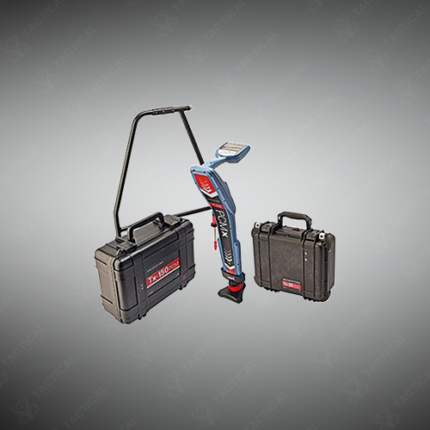
Pipeline Integrity and Corrosion Management Systems
Pipeline integrity and corrosion management systems are software and hardware platforms that consolidate inspection data, corrosion monitoring readings, cathodic protection records, and maintenance histories into a unified database, providing pipeline operators with a structured framework for tracking asset condition, scheduling intervention, and demonstrating regulatory compliance across their full pipeline network. These systems replace fragmented spreadsheet-based record keeping with integrated data management that connects field measurement results directly to risk assessment calculations and maintenance planning outputs.
The software core houses a pipeline asset register storing design specifications, material grades, wall thickness, coating type, installation date, operating pressure history, and geographic route data for each pipeline segment under management. Inspection data imports from in-line inspection vendor reports, ultrasonic thickness gauge readings, magnetic flux leakage pig run datasets, and close interval potential survey files, with the system automatically associating each data record with the correct pipeline segment and chainage position in the asset register. Additionally, defect management modules apply fitness-for-service assessment calculations following ASME B31G, modified B31G, or DNV-RP-F101 methods to each reported anomaly, calculating remaining safe operating pressure and recommended repair priority without requiring manual engineering calculation for each individual defect record.
Corrosion monitoring data integration connects electrical resistance probe loggers, linear polarization resistance instruments, and pipe-to-soil potential data loggers through direct data import or real-time telemetry feeds, displaying corrosion rate trends and cathodic protection status across the monitored network on a geographic information system map interface. Furthermore, risk ranking engines process threat likelihood and consequence of failure parameters for each pipeline segment, generating risk scores that drive inspection scheduling recommendations and budget prioritization outputs for the following inspection cycle.
Reporting modules produce regulatory submission documents, internal integrity review reports, and maintenance work order outputs in configurable formats. Moreover, audit trail functions log all data entries, assessment calculations, and user actions with timestamp and operator credentials, supporting regulatory audit requirements and post-incident investigation needs.
Tactical Supply Pakistan supplies pipeline integrity and corrosion management systems to gas transmission operators, fuel pipeline companies, water utility authorities, and petrochemical plant pipeline teams requiring structured digital integrity management capability across pipeline assets throughout Pakistan.
Showing the single result