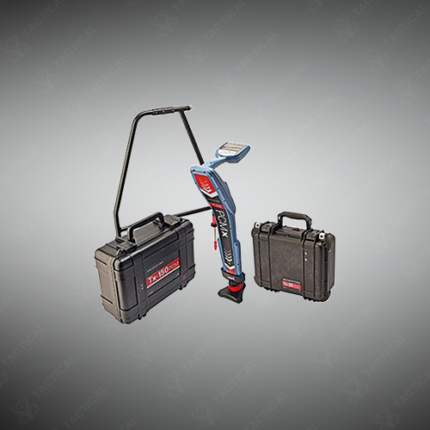
Pipeline Corrosion Monitoring
Pipeline corrosion monitoring involves continuous or periodic measurement of metal loss rates and electrochemical activity on buried and above-ground pipelines, providing operators with ongoing data on corrosion progression before wall thinning reaches critical thickness thresholds. Proactive monitoring programs reduce unplanned shutdowns, extend pipeline service life, and prevent the environmental and safety consequences of corrosion-related failures across Pakistan’s gas distribution, fuel transport, and water supply networks.
Electrical resistance probes form one of the most widely deployed continuous monitoring methods, using a sacrificial metal element exposed to the pipeline environment whose increasing electrical resistance as the element corrodes provides a direct measurement of cumulative metal loss over time. Probe elements match the target pipeline material, using carbon steel elements for steel gas and water pipelines and stainless steel or alloy elements for corrosive process fluid applications. Additionally, linear polarization resistance instruments measure instantaneous corrosion rate by applying a small electrochemical perturbation to the pipe surface and measuring the current response, producing corrosion rate readings in millimeters per year within minutes of probe contact rather than requiring weeks of cumulative data accumulation.
Pipe-to-soil potential measurement uses copper-copper sulfate or silver-silver chloride reference electrodes placed in contact with the soil above buried pipelines to assess cathodic protection effectiveness across the monitored section. Readings below -0.85V versus copper-copper sulfate reference confirm adequate cathodic protection on steel pipelines per NACE SP0169 standard criteria. Furthermore, close interval potential surveys collect pipe-to-soil potential readings at 1-meter spacing intervals along the full pipeline route, identifying sections where cathodic protection current density falls below protective threshold values requiring system adjustment.
Data loggers connected to permanently installed monitoring probes record corrosion rate and potential readings at intervals between 15 minutes and 24 hours, transmitting stored data through GSM, LoRa, or wired Modbus connections to central pipeline integrity management software. Moreover, trend analysis functions in integrity management platforms flag accelerating corrosion rates and cathodic protection failures automatically, directing maintenance response to specific pipeline segments before defects reach reportable severity levels.
Tactical Supply Pakistan supplies pipeline corrosion monitoring instruments, probes, data loggers, and reference electrodes to gas distribution operators, fuel pipeline companies, water utility authorities, and petrochemical plant integrity teams requiring dependable ongoing corrosion surveillance across pipeline assets throughout Pakistan.
Showing the single result