Pilot Training Systems
Pilot training systems cover the full range of ground-based and simulator-based equipment used to develop, assess, and maintain flying competency in military and civilian aircrew without requiring airborne operation of the actual aircraft type. These systems reduce training costs, eliminate weather dependency, allow repetition of emergency procedures that cannot safely be practiced in the air, and accumulate training hours at a fraction of the operating cost of live flight sorties on operational aircraft.
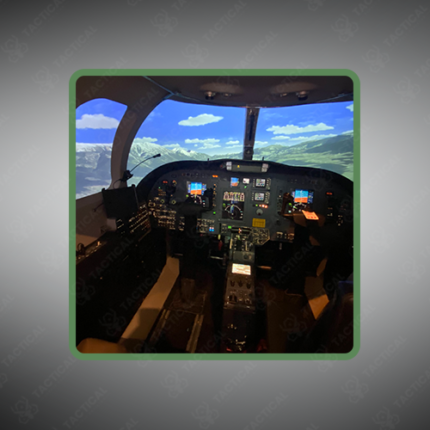
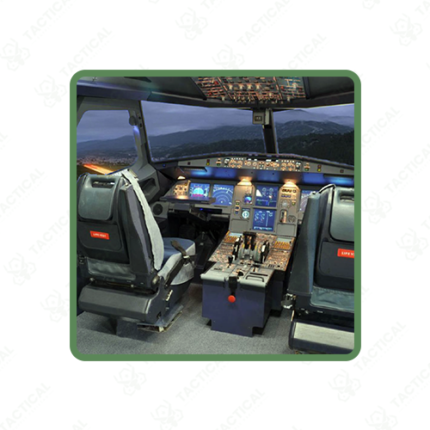
Full flight simulators represent the highest fidelity tier, replicating the cockpit environment of a specific aircraft type with motion platform systems using six degrees of freedom hydraulic or electric actuators, visual display systems projecting collimated imagery across a 200-degree or wider field of view, and aerodynamic models validated against actual flight test data for the simulated aircraft type. Simulation fidelity levels follow qualification standards including FAA Level C and Level D, with Level D permitting zero-flight-time type rating qualification for airline transport pilots on supported aircraft types. Additionally, avionics simulation replicates the specific software versions and failure modes of operational aircraft systems, including navigation, autopilot, flight management, and emergency system behaviors under normal and degraded conditions.
Procedure trainers and cockpit systems trainers occupy a lower fidelity tier below full flight simulators, replicating cockpit layout, switch positions, and instrument displays without motion platforms or high-fidelity visual systems, focusing exclusively on procedural knowledge and instrument scan pattern development at significantly lower procurement and operating cost. Furthermore, desktop aviation training devices using commercial off-the-shelf computing hardware with certified aerodynamic models provide initial familiarization training for student pilots before progression to higher-fidelity simulator environments.
Instructor operator stations integrated with simulator platforms allow ground instructors to insert malfunctions, adjust weather conditions, reposition the simulated aircraft, and record trainee performance data in real time during training scenarios. Moreover, debrief systems capture all flight parameter data for post-exercise analysis, with synchronized cockpit video and parameter playback supporting structured performance review sessions.
Tactical Supply Pakistan supplies pilot training systems to Pakistan Air Force training establishments, civil aviation training organizations, and military aviation academies requiring ground-based aircrew development capability across fixed-wing and rotary-wing training programs in Pakistan.
Showing the single result