PCR
Polymerase chain reaction, commonly referred to as PCR, is a molecular amplification technique that produces millions of copies of a specific DNA sequence from a small starting sample, making trace genetic material detectable through downstream analysis methods. PCR forms the foundation of forensic DNA profiling, infectious disease diagnosis, biosecurity screening, and environmental pathogen detection workflows, with instrument and reagent platforms available across a wide range of throughput capacities and operational settings.
The reaction runs through three temperature-dependent stages cycling repeatedly inside a thermal cycler instrument. Denaturation at 94 to 98 degrees Celsius separates the double-stranded DNA template into single strands. Annealing at 50 to 65 degrees Celsius allows short primer sequences to bind to their complementary target regions on each single strand.
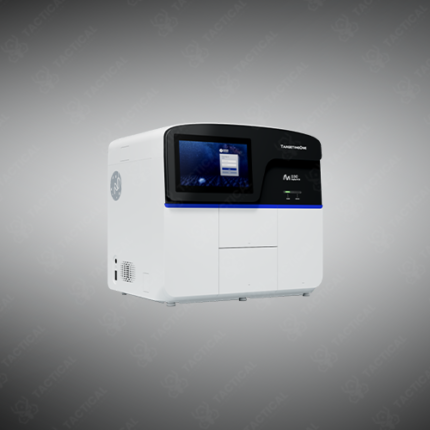
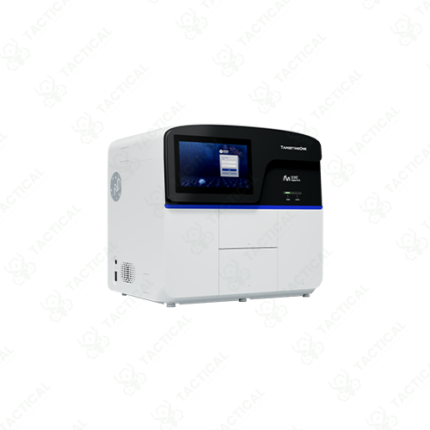
Thermal cycler instruments range from compact 16-well portable units running on 12V DC battery power for field deployment to 384-well high-throughput platforms for laboratory batch processing. Furthermore, real-time quantitative PCR systems add fluorescent dye detection to the cycling process, measuring amplification as it occurs and producing quantitative concentration data alongside positive or negative results without requiring post-amplification gel electrophoresis steps.
Reagent components include thermostable DNA polymerase, deoxynucleotide triphosphate mix, reaction buffer, and target-specific primer pairs, available as individual components or pre-optimized master mix formulations. Moreover, lyophilized reagent formats extend shelf life and remove cold chain requirements for field and point-of-care PCR applications.
Tactical Supply Pakistan supplies PCR instruments, reagent kits, and consumables to forensic laboratories, hospital diagnostic units, biosecurity screening teams, and public health institutions requiring reliable DNA amplification capability across Pakistan.
Showing the single result