Passive FTIR Remote Sensing
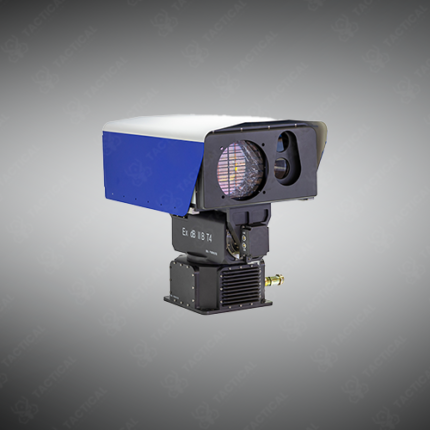
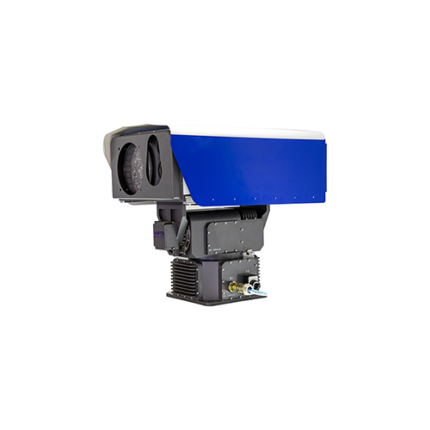
Passive FTIR remote sensing systems collect and analyze infrared radiation naturally emitted by atmospheric gas plumes to identify chemical compounds at standoff distances, operating without projecting any active energy toward the target area. Ground-based, vehicle-mounted, or tripod-deployed configurations make these instruments adaptable across perimeter monitoring, chemical incident response, and industrial fence-line surveillance without requiring personnel to approach suspected contamination zones.
The optical front end uses a telescope or fore-optic assembly to collect thermal infrared radiation from the scene and direct it into the interferometer cavity. A beam splitter divides incoming radiation into two paths reflected off a fixed and a moving mirror, with the recombined beam creating an interference pattern as the moving mirror travels across its scan range. Additionally, this interference pattern records as an interferogram, which onboard digital signal processors convert to a calibrated radiance spectrum through fast Fourier transform computation in under one second per acquisition cycle, enabling near-real-time compound identification during active monitoring operations.
Cooled indium antimonide or mercury cadmium telluride detectors operating in the 3 to 5 micron mid-wave or 8 to 12 micron long-wave infrared bands capture spectral features specific to the target compound classes of interest. Furthermore, spectral libraries onboard cover hundreds of chemical warfare agents, toxic industrial chemicals, and explosive precursor vapors, with automated matching algorithms comparing live spectra against reference entries and flagging detections above user-defined concentration thresholds within 2 to 10 seconds of compound appearance in the field of view.
Standoff detection range runs from 100 meters to over 5 kilometers depending on atmospheric thermal contrast, target compound concentration, and wind dispersion conditions at the time of measurement. Moreover, pan-tilt scanning heads on automated installations cover sector widths up to 180 degrees, with GPS-tagged alarm event logging and Ethernet output for integration with site security management platforms.
Tactical Supply Pakistan supplies passive FTIR remote sensing systems to chemical defense formations, industrial hazmat response units, border security agencies, and critical infrastructure operators requiring validated standoff chemical detection capability across Pakistan.
Showing the single result