Passive Drone Detection
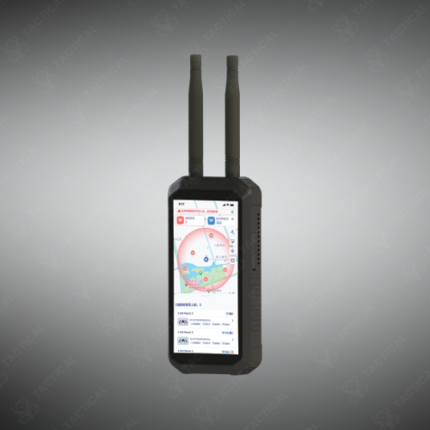
Passive drone detection systems identify and track unmanned aerial vehicles operating within a monitored airspace by analyzing signals, acoustic signatures, or optical data generated by the drone itself, without emitting any radar, radio frequency, or optical energy toward the target. This passive architecture keeps the detection system undetectable to drone operators using radio frequency scanning equipment, making it particularly valuable for sensitive facility protection where revealing the presence of a detection system would compromise security posture.
Radio frequency passive detection works by monitoring the spectrum between 433MHz and 5.8GHz for drone control link and video downlink transmissions, comparing captured signal patterns against onboard libraries of known drone communication protocols from manufacturers including DJI, Parrot, Autel, and Skydio. Detection range for RF-based passive systems runs between 1 and 5 kilometers depending on terrain, antenna configuration, and drone transmission power. Additionally, acoustic passive detection uses microphone arrays to capture rotor noise signatures, with signal processing algorithms distinguishing multi-rotor drone acoustic profiles from background noise at ranges up to 500 meters under low ambient noise conditions.
Optical passive detection integrates daylight and thermal camera arrays with AI-based object classification software, tracking small aerial targets at ranges between 200 meters and 2 kilometers depending on optical zoom capability and target size. Furthermore, sensor fusion platforms combine RF, acoustic, and optical detection channels into a unified tracking picture, with each channel cross-validating detections from the others to reduce false alarm rates below 1% in urban electromagnetic environments where RF noise levels run high.
Alert outputs include visual and audible alarms at operator workstations, automatic GPS coordinate logging of detection events, and integration with access control and intercom systems through dry contact relay outputs. Moreover, network connectivity via Ethernet or 4G LTE allows remote monitoring and multi-site detection network management from a centralized security operations center.
Tactical Supply Pakistan supplies passive drone detection systems to critical infrastructure operators, military installations, government facilities, and event security management teams requiring covert, signal-free airspace monitoring across Pakistan.
Showing the single result