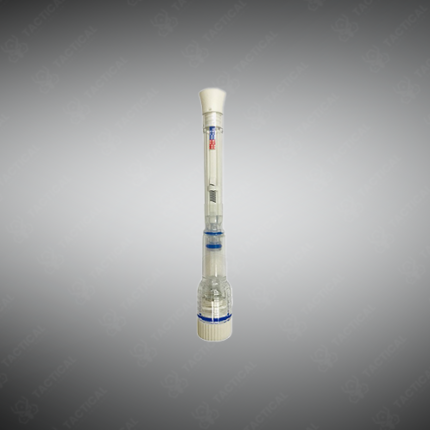
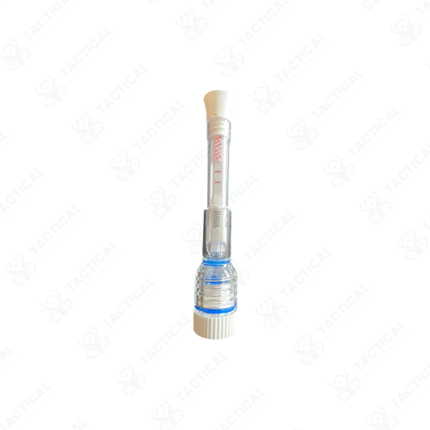
Oral Fluid (Saliva) Drug & Alcohol Testing
Oral Fluid and Saliva Drug and Alcohol Testing uses collected saliva samples to screen individuals for recent substance use, detecting controlled drugs and alcohol metabolites through immunoassay or electrochemical analysis without requiring blood draws or private urine collection facilities. Traffic enforcement officers and workplace safety managers favor oral fluid testing because the non-invasive, observed collection process reduces sample integrity concerns while maintaining sufficient detection sensitivity for recent substance use confirmation. Therefore, oral fluid testing directly addresses the practical collection challenges that make urine testing programs vulnerable to evasion in field and workplace screening contexts.
Saliva collection devices use an absorbent swab or pad placed inside the mouth for 2 to 5 minutes, with a volume adequacy indicator confirming sufficient sample collection before analysis begins. Furthermore, the collected saliva transfers directly into an integrated lateral flow immunoassay cartridge on rapid test devices, producing visual result lines indicating the presence or absence of target substances within 5 to 10 minutes without laboratory equipment. Consequently, immediate on-site results support timely enforcement decisions during roadside screening operations without waiting for laboratory turnaround times.
Drug detection panels on combined oral fluid testing devices typically cover THC, cocaine metabolites, methamphetamine, amphetamine, opiates, benzodiazepines, and tramadol simultaneously within a single test cartridge. Additionally, alcohol detection integration uses an electrochemical or colorimetric sensor element within the same collection device, measuring ethanol concentration in oral fluid and correlating it to approximate blood alcohol content through established oral fluid to blood concentration ratios.
Detection windows for oral fluid reflect recent consumption, with most substances detectable within 5 to 48 hours of use depending on drug type, quantity consumed, and individual metabolism. Moreover, the short detection window makes oral fluid testing specifically relevant for identifying active impairment rather than historical drug exposure that occurred days or weeks before testing.
Confirmatory laboratory analysis using liquid chromatography-mass spectrometry follows any preliminary positive result before formal proceedings, ensuring analytical accuracy for legally defensible outcomes.
In Pakistan, oral fluid drug and alcohol testing serves traffic police roadside impairment enforcement, workplace safety screening in transport and heavy industry, and Anti-Narcotics Force field operations. Tactical Supply Pakistan supplies Oral Fluid Drug and Alcohol Testing devices for law enforcement and workplace safety procurement across Pakistan.
Showing the single result