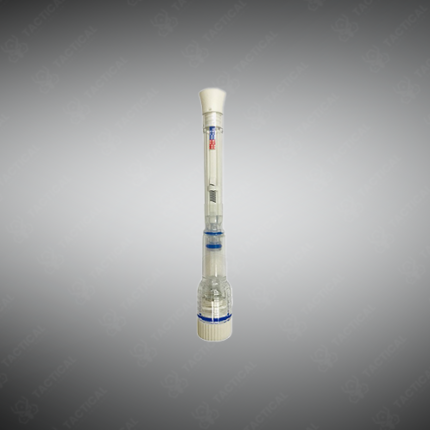
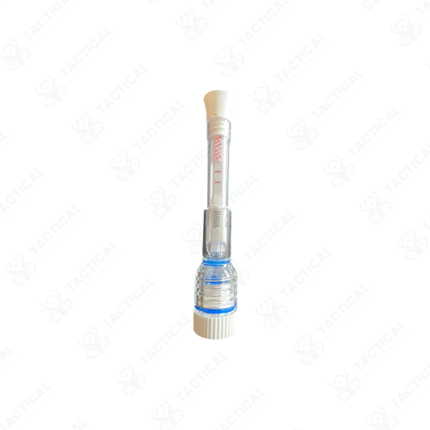
Oral Fluid and Saliva Drug Testing
Oral Fluid and Saliva Drug Testing detects controlled substances and their metabolites in collected saliva samples, providing a non-invasive, directly observed screening method for recent drug use without requiring private collection facilities or blood draw procedures. Traffic enforcement teams and occupational health departments select saliva-based testing because the collection process happens in full view of the testing officer, eliminating the sample substitution and adulteration opportunities that unsupervised urine collection methods present. Therefore, observed collection directly improves result reliability in field and workplace testing environments where sample integrity determines the evidentiary value of positive findings.
The collection process uses an absorbent swab placed inside the cheek or under the tongue for 2 to 5 minutes, with a volume adequacy window on the device confirming sufficient saliva saturation before analysis proceeds. Furthermore, the collected sample transfers into an integrated lateral flow immunoassay chamber, with result lines appearing within 5 to 10 minutes without requiring laboratory equipment or technical operator skill beyond following the collection procedure instructions. Consequently, any trained officer or workplace safety supervisor can administer and read results without specialist laboratory training.
Standard detection panels cover the most commonly misused substances including THC from cannabis, cocaine and benzoylecgonine metabolites, methamphetamine, amphetamine, opiates, tramadol, and benzodiazepines within a single multi-panel test cartridge. Additionally, panel configurations adapt to specific program requirements, with some testing programs adding synthetic cannabinoids, ketamine, or buprenorphine detection depending on local substance misuse patterns.
The oral fluid detection window reflects recent consumption rather than historical exposure, with substances typically detectable between 5 and 48 hours following use. Moreover, this short window makes saliva testing particularly relevant for identifying active or very recent impairment rather than drug use occurring days before the test.
Confirmatory laboratory analysis using validated mass spectrometry methods follows any reactive screening result before formal disciplinary or legal proceedings, providing the analytical accuracy required for legally defensible outcomes.
In Pakistan, oral fluid and saliva drug testing serves traffic police enforcement, Anti-Narcotics Force field operations, and workplace drug testing programs in transport, construction, and heavy industry. Tactical Supply Pakistan supplies Oral Fluid and Saliva Drug Testing devices for law enforcement and workplace safety procurement across Pakistan.
Showing the single result