Nuclear Robot
Nuclear robots perform inspection, maintenance, decontamination, and emergency response tasks inside radiation-controlled areas of nuclear power plants, research reactors, and contaminated facilities — keeping human operators outside hazardous radiation zones while extending mechanical reach and sensor capability into areas where direct human access requires extensive dose planning, protective equipment, and strict time limitations.
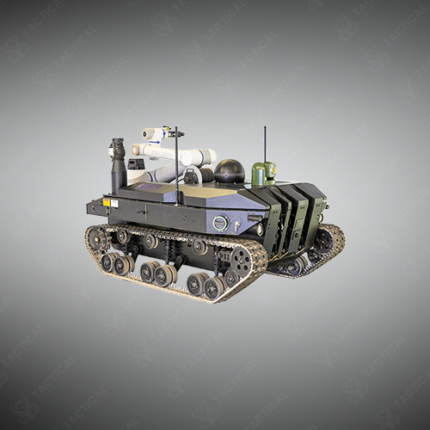
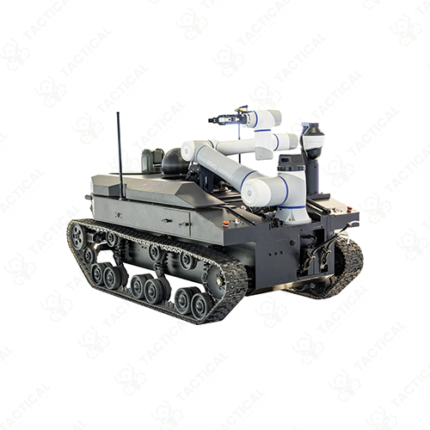
Ground-based nuclear robots use tracked or wheeled drive systems that maintain traction on smooth reactor building floors, grating surfaces, and debris-covered emergency response terrain. Radiation-hardened electronics replace standard commercial components — using metal-oxide semiconductor devices, shielded circuit boards, and radiation-tolerant processors that maintain operational function after accumulated gamma doses exceeding 10,000 Gy, far beyond the tolerance of standard electronic components. Furthermore, manipulator arm systems with 5 to 7 degrees of freedom handle valve operation, sample collection, sensor placement, and component removal tasks — replicating the manual dexterity of a human technician from a remote operator console outside the controlled zone.
Camera systems on nuclear robots use radiation-tolerant CCD or CMOS sensors with lead glass optical windows and radiation-hardened cable assemblies. Multiple camera positions cover forward, rear, manipulator-tip, and wide-angle views simultaneously — giving the remote operator complete spatial awareness during manipulation tasks inside cluttered plant environments. Additionally, radiation detection payloads including NaI(Tl) scintillators, Geiger-Müller tubes, and compact gamma spectrometers map dose rate distributions during inspection traverses — building radiological maps that guide human re-entry planning after emergency events.
Decontamination robots carry high-pressure water jetting systems, vacuum collection units, and chemical application spray systems — removing surface contamination from reactor building floors, walls, and equipment surfaces in preparation for maintenance access or facility decommissioning. Pipe crawler robots inspect reactor coolant system pipes, steam generator tubes, and containment penetration conduits using ultrasonic testing probes, visual cameras, and eddy current sensors.
These robots serve Pakistan’s PAEC nuclear power plant maintenance programs at Chashma Nuclear Power Complex and Karachi Nuclear Power Plant, PINSTECH research reactor operations at Nilore, and Pakistan Nuclear Regulatory Authority emergency response capability development programs requiring robotic access to radiation-controlled areas during outage inspections and accident response scenarios.
Tactical Supply Pakistan supplies nuclear robots for containment inspection, decontamination operations, emergency response, and reactor maintenance procurement across Pakistan.
Showing the single result