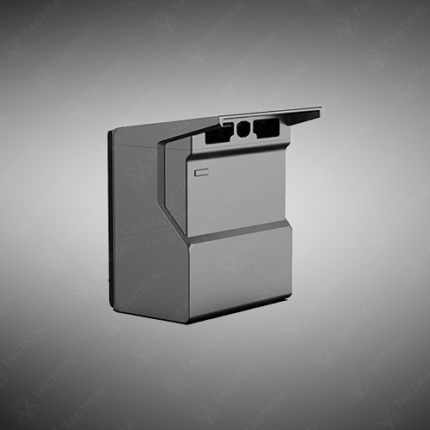
Non-contact Biometric Identification System
A Non-Contact Biometric Identification System verifies individual identity using physical or behavioral characteristics captured without requiring physical touch between the subject and the sensing equipment, addressing hygiene concerns and throughput speed limitations that contact-based biometric methods present in high-traffic or health-sensitive environments. Airport security operators and healthcare facility access control administrators increasingly favor non-contact biometric methods because eliminating physical sensor contact reduces disease transmission risk and surface contamination concerns that became particularly prominent following recent public health events. Therefore, non-contact operation directly addresses both throughput efficiency and hygiene considerations that contact-based fingerprint or palm scanning systems cannot match.
Facial recognition technology represents the most widely deployed non-contact biometric modality, capturing facial geometry through standard or infrared cameras and comparing extracted features against enrolled reference templates stored in a connected database. Furthermore, three-dimensional facial capture using structured light or time-of-flight depth sensors improves accuracy and resistance to photo-based spoofing attempts compared to simpler two-dimensional image-based recognition systems.
Iris recognition systems capture the unique pattern within the colored portion of the eye using near-infrared illumination and specialized cameras, achieving extremely high identification accuracy from a distance of several centimeters to a meter without requiring direct contact. Consequently, iris recognition serves applications demanding the highest identification confidence levels, including border control and high-security facility access.
Long-range fingerprint and palm vein scanning technologies, using specialized optical or near-infrared imaging, capture biometric detail from a short standoff distance rather than requiring direct surface contact, extending traditional contact-based modalities into non-contact operation. Additionally, gait recognition and voice recognition technologies provide behavioral biometric identification options that inherently require no physical contact, supporting identification even when facial or eye-based capture proves impractical.
Database matching algorithms compare captured biometric data against enrolled templates within milliseconds, supporting real-time identification at access control points without creating bottlenecks during high-traffic periods.
In Pakistan, non-contact biometric identification systems serve airport security checkpoints, healthcare facility access control, and government identity verification programs prioritizing hygiene and throughput efficiency. Tactical Supply Pakistan supplies Non-Contact Biometric Identification Systems for security and institutional procurement across Pakistan.
Showing the single result