NMEA SMART Sensors
NMEA smart sensors output marine navigation, environmental, and instrumentation data using standardized NMEA 0183 or NMEA 2000 protocols. These sensors integrate directly into vessel navigation networks, autopilot systems, and chart plotters without requiring custom interface electronics for each device. The standardized protocol allows sensors from different manufacturers to communicate on the same data bus simultaneously.
NMEA 2000 sensors connect through a shared CAN bus backbone cable using standardized connectors. Multiple sensors transmit data simultaneously on the same network. Each device broadcasts its data using defined Parameter Group Numbers (PGNs) that identify the data type, source, and format. Furthermore, this plug-and-play architecture allows wind sensors, depth sounders, GPS receivers, and engine monitoring sensors to share a single network cable. This eliminates the dedicated point-to-point wiring that older NMEA 0183 installations required between each instrument.
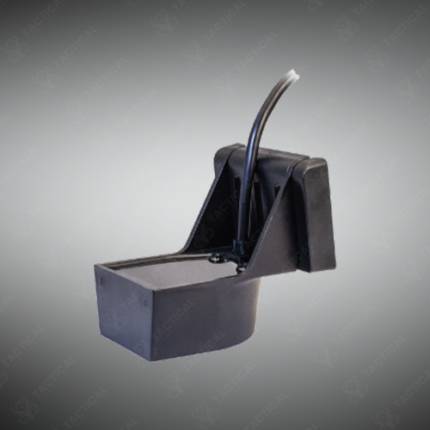
Smart sensor categories include GPS and GNSS receivers outputting position, course, and speed data at update rates up to 10Hz. Wind sensors measure apparent and true wind speed and direction using ultrasonic or mechanical anemometer technology. Depth sounders use single or dual-frequency transducers to measure water depth from 0.5 to 200 meters depending on transducer specification. Additionally, fluxgate compass sensors provide heading data with automatic deviation compensation, feeding directly into autopilot systems for course-keeping accuracy.
Engine and tank monitoring sensors transmit fuel level, engine RPM, oil pressure, and temperature data over the same NMEA 2000 network. This consolidates vessel monitoring onto a single display system. Battery monitoring sensors track voltage, current, and state of charge across multiple battery banks simultaneously. Moreover, AIS transponders broadcast vessel position and identification data while receiving the same information from nearby vessels, integrating directly with chart plotter collision avoidance displays.
These sensors serve Pakistan Navy patrol vessel instrumentation upgrades, Pakistan Maritime Security Agency vessel navigation systems, commercial shipping operators at Karachi Port, and fishing fleet operators along the Makran Coast requiring integrated, standardized marine instrumentation networks.
Tactical Supply Pakistan supplies NMEA smart sensors for vessel navigation, marine instrumentation, and maritime monitoring system procurement across Pakistan.
Showing the single result