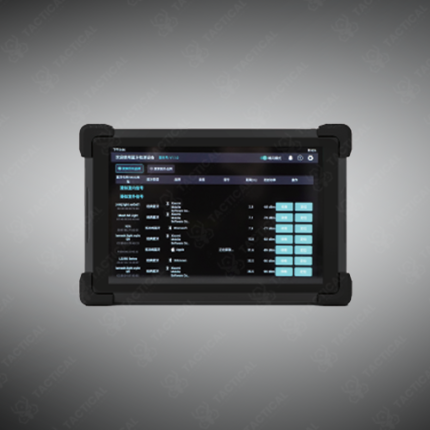
Mobile Phone Detection
Mobile phone detection refers to the technology and methods used to identify the presence of active or powered-on mobile phones within a defined area, addressing security requirements at facilities where unauthorized phone possession or use presents a confidentiality, safety, or operational risk. Detection applications span correctional facilities preventing contraband phone smuggling, examination centers preventing cheating through unauthorized device use, secure government and corporate facilities preventing data exfiltration or covert recording, and military installations maintaining operational security against signal intelligence collection.
Detection methods vary by required sensitivity and deployment context. RF signal detectors scan for the radio frequency emissions phones generate during active calls, data transmission, or periodic network registration signals on GSM, 3G, 4G, and 5G cellular bands as well as WiFi and Bluetooth frequencies. These detectors identify phones even when concealed on a person’s body or within bags, since cellular network registration occurs periodically regardless of whether the phone is actively in use. Metal detector-based screening identifies phones through their metallic and electronic component mass during walk-through or handheld scanning, though this method cannot distinguish phones from other metallic objects without additional discrimination capability.
In Pakistan, mobile phone detection supports prison security against contraband smuggling, examination board integrity at testing centers, corporate facility security against unauthorized recording, and military base security maintaining operational communications discipline.
Tactical Supply Pakistan supplies mobile phone detection systems for correctional, educational, corporate, and military security applications across Pakistan.
Showing the single result