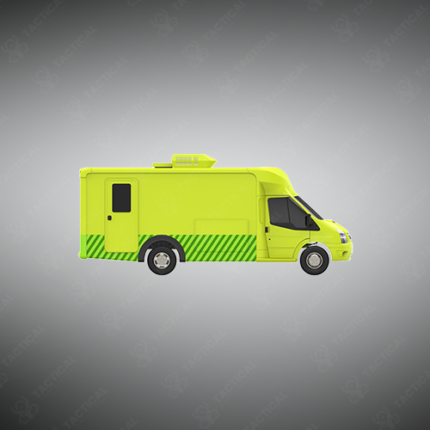
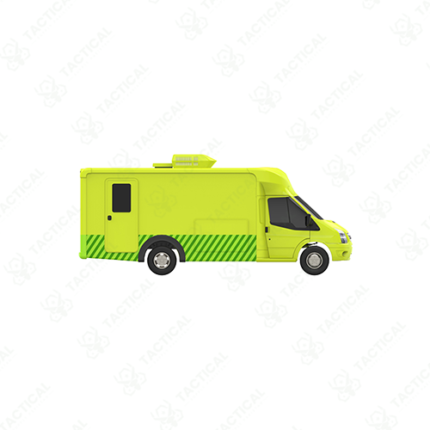
Mobile Facilities Bring COVID-19 Testing Anywhere
Mobile COVID-19 Testing Facilities deploy diagnostic testing capability to community locations, workplaces, and event venues rather than requiring individuals to travel to fixed clinical testing sites, expanding testing accessibility during disease surveillance and outbreak response operations. Public health departments and occupational health programs deploy mobile testing units because bringing testing capability directly to populations significantly increases overall testing uptake compared to relying solely on fixed-location testing centers that present access barriers for many individuals. Therefore, deployment flexibility directly affects testing coverage rates achievable across diverse population groups and geographic areas.
Mobile testing platforms range from converted vans and trailers to pop-up tent configurations, each providing the basic infrastructure required for sample collection, including dedicated swab collection areas, personal protective equipment supplies, and waste disposal systems meeting biosafety requirements. Furthermore, larger mobile laboratory units incorporate onboard testing capability, processing samples through rapid antigen or PCR methods without requiring sample transport to a separate fixed laboratory facility.
Sample collection workflow typically separates symptomatic and asymptomatic testing lanes where volume warrants, with drive-through configurations allowing vehicle-based testing that minimizes person-to-person contact during the collection process. Consequently, drive-through testing models proved particularly effective during high-transmission outbreak periods by reducing close-contact exposure risk among both testing staff and individuals seeking testing.
Result delivery methods vary by testing technology deployed, with rapid antigen tests providing results within 15 to 30 minutes at the point of collection, while samples requiring PCR confirmation typically involve a delay of several hours to a day depending on whether onboard or remote laboratory processing handles the amplification step. Additionally, digital result reporting systems integrate with public health surveillance databases, supporting outbreak tracking and contact tracing efforts.
Power and water supply for mobile units typically uses onboard generators and water storage tanks, enabling operation at locations lacking fixed utility infrastructure.
In Pakistan, mobile COVID-19 testing facilities served public health departments, workplace screening programs, and community outreach testing campaigns during pandemic response operations. Tactical Supply Pakistan supplies Mobile Testing Facility equipment for public health and emergency response procurement across Pakistan.
Showing the single result