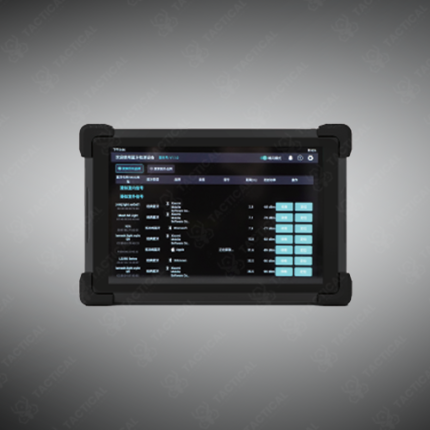
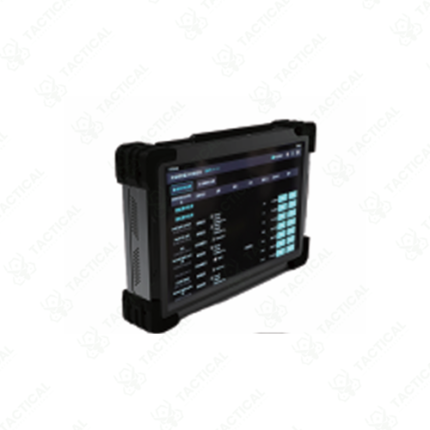
Mobile Device Detection
Mobile Device Detection identifies the presence of smartphones, tablets, and other wireless communication devices within a monitored area by detecting the radio frequency signals these devices emit during normal operation, supporting security screening, contraband detection, and unauthorized device monitoring applications. Correctional facility security teams and examination integrity programs use mobile device detection because many environments require identifying unauthorized phone presence without conducting invasive physical searches of every individual or location. Therefore, RF-based detection provides a less intrusive screening method than manual search procedures while still identifying prohibited device presence reliably.
Passive RF detection systems monitor cellular network frequencies, Wi-Fi bands, and Bluetooth communication channels, identifying signal emissions characteristic of active mobile devices attempting network connection or maintaining established connections. Furthermore, detection range varies depending on the specific frequency monitored and antenna sensitivity, with cellular signal detection typically achieving longer range than the shorter-range Wi-Fi and Bluetooth signals that require closer proximity for reliable identification.
Cell site simulator technology, used by specialized detection systems, creates a localized signal environment that prompts nearby mobile devices to respond as though connecting to a legitimate cellular network tower, revealing device presence and in some configurations, basic identifying information through this controlled interaction. Consequently, this active detection approach can identify devices that passive monitoring alone might miss, particularly devices configured to minimize unnecessary signal emission.
Fixed installation detectors mount at facility entry points or within monitored areas, providing continuous automated screening without requiring active operator intervention for routine detection events. Additionally, portable handheld detection units allow security personnel to conduct targeted searches of specific individuals or locations when investigating a suspected unauthorized device presence.
Alert generation upon detection typically includes audible or visual notification to security staff, with logging capability recording detection events, timestamps, and location data for incident documentation and pattern analysis.
In Pakistan, mobile device detection serves correctional facility security operations, examination hall integrity programs, and sensitive facility access control points requiring unauthorized device identification. Tactical Supply Pakistan supplies Mobile Device Detection systems for correctional, educational, and institutional security procurement across Pakistan.
Showing the single result