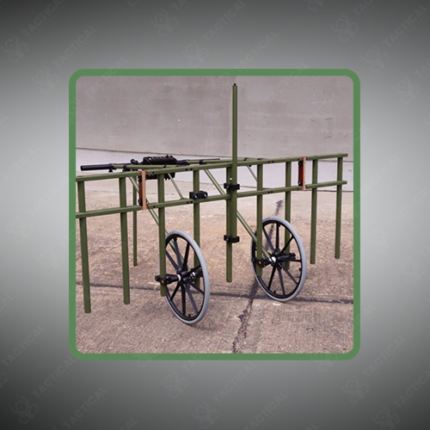
Microprocessor-Controlled Magnetometer System
A Microprocessor-Controlled Magnetometer System integrates digital processing capability directly into the magnetic field measurement instrument, enabling automated calibration, real-time data correction, and onboard signal processing functions that older analog magnetometer designs could not perform without external computing equipment. Geological survey companies and defense ordnance detection units choose microprocessor-controlled systems because embedded digital intelligence improves measurement accuracy and reduces the post-processing workload required on raw field data. Therefore, onboard processing capability directly affects both measurement quality and the efficiency of field survey operations.
The embedded microprocessor manages sensor excitation timing for fluxgate sensor elements, controlling the drive signal frequency and amplitude that determines sensor saturation behavior and resulting measurement sensitivity. Furthermore, digital signal processing algorithms running on the onboard processor filter electrical noise, apply temperature compensation corrections, and convert raw sensor voltage readings into calibrated magnetic field values in real time. Consequently, the system delivers corrected, calibrated data directly during field measurement rather than requiring extensive manual correction during post-processing.
Automated calibration routines stored in microprocessor memory compensate for sensor offset drift and scale factor variations that occur with temperature change and component aging over time. Additionally, the microprocessor manages data logging functions, storing time-stamped magnetic field readings alongside GPS position data synchronized through the system’s integrated positioning interface.
Communication interfaces including USB, RS-232, and wireless protocols allow the microprocessor-controlled system to transmit real-time data to connected display devices or recording computers during survey operations. Moreover, programmable sampling rate and measurement range settings give operators flexibility to optimize the system configuration for different survey applications without requiring hardware modification.
Power management functions implemented in firmware extend battery operating life by controlling sensor duty cycling and entering low-power standby modes during idle periods between active measurement sequences.
In Pakistan, microprocessor-controlled magnetometer systems support mineral exploration across Balochistan and Khyber Pakhtunkhwa, military UXO clearance operations, and university geophysics research programs. Tactical Supply Pakistan supplies Microprocessor-Controlled Magnetometer Systems for geological survey and defense procurement across Pakistan.
Showing the single result