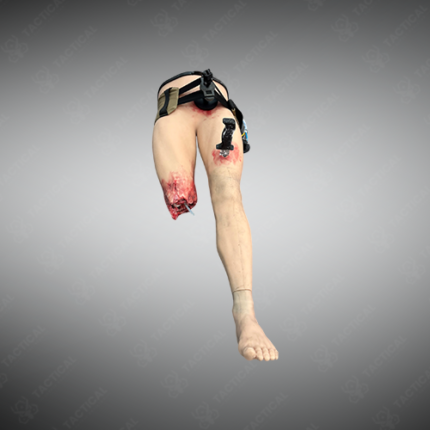
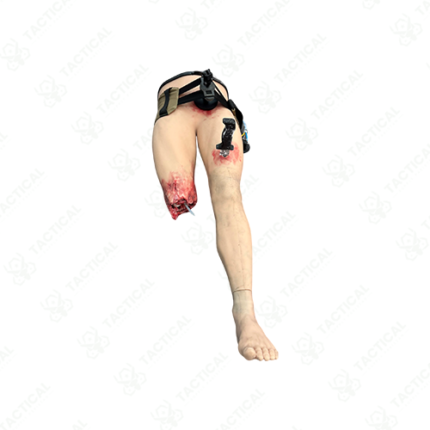
Lower Body Simulator
A Lower Body Simulator is a medical training or robotic platform that replicates human lower extremity anatomy and physiological responses, serving clinical education, prosthetic fitting, gait analysis, and rehabilitation applications where practicing directly on live patients carries unnecessary risk or limited training repetition opportunity. Medical schools, prosthetic clinics, and rehabilitation centers use lower body simulators because hands-on practice with realistic anatomical models builds procedural competency before clinicians work with actual patients. Therefore, simulator-based training directly reduces risk during the early learning curve for procedures involving the lower limbs.
Clinical training simulators replicate external anatomical landmarks, joint articulation, and tissue layer structure of the hip, knee, ankle, and foot using silicone, synthetic polymer, or composite materials selected to match the tactile feel of real tissue. Furthermore, internal bone analogs constructed from polyurethane foam or fiber-reinforced composite provide realistic resistance during procedures including injections, joint aspirations, and orthopedic casting practice. Consequently, trainees develop muscle memory for needle placement angles, force application, and procedural sequencing before performing these tasks on actual patients.
Robotic lower body simulators used in prosthetic and exoskeleton development incorporate actuated joints that replicate human gait kinematics, hip and knee flexion ranges, and ground reaction force patterns during simulated walking cycles. Additionally, sensor instrumentation within these robotic platforms measures joint torque, position, and load distribution, providing quantitative data for prosthetic component testing and exoskeleton control algorithm development.
Gait analysis simulators reproduce specific pathological walking patterns — including hemiplegic gait, Parkinsonian gait, and amputee compensatory movement — allowing physical therapy students to practice clinical observation and assessment skills against a controlled, repeatable reference standard rather than relying solely on variable live patient presentations.
In Pakistan, lower body simulators serve medical college clinical skills laboratories, prosthetic and orthotic training centers, physical therapy education programs, and biomechanics research institutions developing assistive mobility devices. Tactical Supply Pakistan supplies Lower Body Simulators for medical education, rehabilitation, and biomechanics research procurement across Pakistan.
Showing the single result