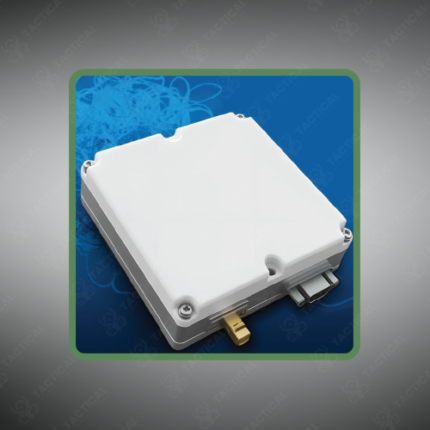
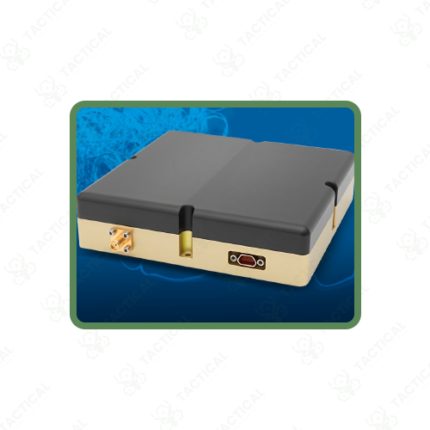
Lightweight High-Performance Anti-Interference Antenna
A Lightweight High-Performance Anti-Interference Antenna is a radio frequency component engineered to maintain reliable signal reception and transmission in electromagnetically congested environments where multiple competing signals, jamming sources, or reflected multipath signals would degrade standard antenna performance. Communication system designers select these antennas for tactical radio networks, UAV control links, GPS navigation receivers, and satellite communication terminals operating in environments with deliberate or incidental RF interference. Therefore, anti-interference antenna design directly determines link reliability in contested or noisy electromagnetic environments.
The antenna element uses a low-profile design constructed from lightweight composite materials — typically carbon fiber reinforced polymer or aluminum alloy — reducing total antenna mass to between 50 grams and 500 grams depending on frequency range and gain specification. Furthermore, the reduced mass and compact form factor suit mounting on UAV airframes, vehicle roofs, and man-portable communication equipment where every gram of payload weight matters.
Anti-interference performance comes from several design techniques working together. Null-steering and adaptive beamforming antenna arrays electronically adjust the antenna pattern to suppress signals arriving from known interference directions while maintaining gain toward the desired signal source. Additionally, filtering integrated directly into the antenna feed structure rejects out-of-band interference before the signal reaches the receiver front end, reducing the dynamic range burden on downstream electronics.
Operating frequency ranges span from VHF and UHF tactical radio bands (30MHz to 512MHz) through L-band GPS frequencies (1.1GHz to 1.6GHz) and up to Ku-band satellite communication frequencies (12GHz to 18GHz) depending on the specific antenna model. Polarization options include linear, circular, and dual-polarization configurations selected to match the interference environment and the polarization characteristics of the desired signal.
Weatherproof radome housing protects the antenna element from rain, dust, and UV exposure while maintaining minimal signal attenuation. Moreover, IP65 or IP67 sealing ratings extend operational reliability across outdoor field deployment in Pakistan’s varied climate conditions.
In Pakistan, lightweight high-performance anti-interference antennas serve military tactical communication networks, UAV ground control stations, GPS-denied navigation research programs, and satellite communication terminals operating near jamming threats. Tactical Supply Pakistan supplies Lightweight High-Performance Anti-Interference Antennas for defense, UAV, and communication procurement across Pakistan.
Showing the single result