Library Prep Automation
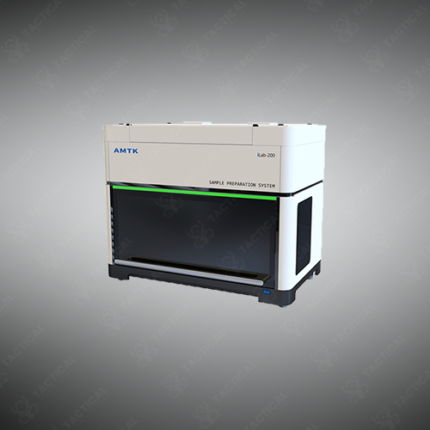
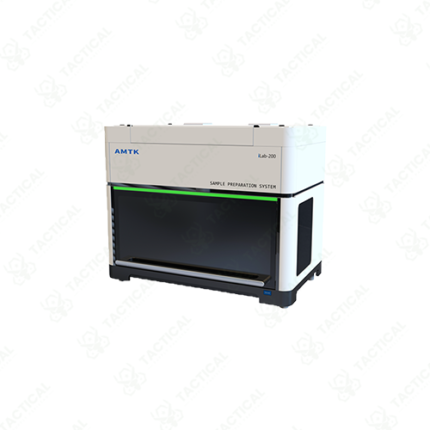
Library preparation automation systems perform the multi-step enzymatic and physical processing required to convert biological samples into sequencing-ready DNA or RNA libraries — replacing manual pipetting workflows with robotic liquid handling platforms that execute fragmentation, end-repair, adapter ligation, size selection, and amplification steps with consistent accuracy across multiple samples simultaneously.
Manual library preparation introduces variability at every pipetting step — affecting fragment size distribution, adapter ligation efficiency, and final library concentration in ways that degrade sequencing data quality across a run. Automated systems eliminate this operator-to-operator variation by executing programmed liquid handling protocols at microliter and nanoliter volumes with positional accuracy below 0.5µL and pipetting CV below 2% across all channels simultaneously. Furthermore, walk-away automation allows laboratory staff to load samples, reagents, and consumables, initiate the protocol, and return to completed libraries — freeing technician time for other tasks during the 2 to 8 hour preparation window.
Liquid handling platforms used in library prep automation range from 8-channel semi-automated pipetting workstations through 96-channel full-plate liquid handlers to fully integrated robotic systems combining liquid handling, thermocycling, magnetic bead-based size selection, and library quantification in a single enclosed platform. The Illumina KAPA HyperPlus and NEBNext Ultra II chemistry kits run on Hamilton, Beckman Biomek, Tecan, and Agilent Bravo platforms — covering whole genome sequencing (WGS), targeted panel sequencing, RNA-seq, ChIP-seq, and single-cell library preparation workflows at throughputs from 8 to 384 samples per run.
Bead-based size selection using SPRI magnetic beads replaces gel electrophoresis for fragment size cleanup — executing within the liquid handling protocol without transferring samples to a separate instrument. Additionally, on-deck library quantification using fluorometric dye assays or qPCR integrates final concentration measurement directly into the automated workflow, producing normalized libraries ready for pooling and sequencing loading without manual quantification steps between preparation and loading.
These systems serve Pakistan’s genomics research programs at university molecular biology departments in Lahore and Karachi, Shaukat Khanum Memorial Cancer Hospital precision oncology programs, national public health laboratory infectious disease sequencing workflows, pharmaceutical research organizations running biomarker discovery panels, and forensic DNA laboratories processing high-volume case samples requiring consistent, reproducible library preparation at scale.
Tactical Supply Pakistan supplies library preparation automation systems for genomics, oncology sequencing, forensic DNA processing, and pharmaceutical research procurement across Pakistan.
Showing the single result