Leg Simulator
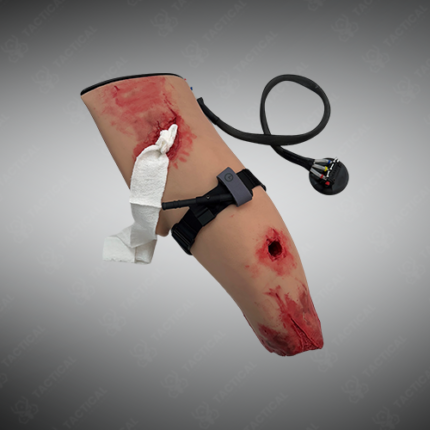
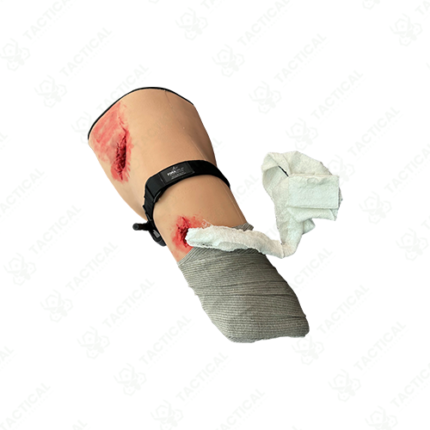
Leg simulators are anatomical training models that replicate the structure, tissue layers, and injury presentations of the human lower limb — used in medical, military, and emergency response training programs to develop clinical assessment, wound management, and surgical skills on a realistic physical platform. These models cover a range of training objectives from basic bandaging and splinting to advanced hemorrhage control, vascular access, and orthopedic procedure practice.
Trauma training leg simulators replicate blast injury, gunshot wound, and crush injury presentations at thigh, knee, lower leg, and foot levels. Multi-layer silicone and foam construction reproduces the feel of skin, fascia, muscle, and bone — providing realistic resistance during tourniquet application, wound packing with hemostatic gauze, and pressure bandage placement. Pulsatile arterial bleeding systems generate simulated blood flow through wound channels at controllable flow rates — requiring correct technique to stop, giving trainees immediate feedback on tourniquet effectiveness and wound packing depth. Furthermore, interchangeable wound inserts allow a single simulator to present multiple injury types including partial amputation, open fracture with bone exposure, penetrating gunshot wound, and degloving injury — increasing training scenario variety without purchasing separate models.
Venipuncture and IV access leg simulators target clinical skills training for nurses, paramedics, and military medics. These models present realistic saphenous vein anatomy in the lower leg and dorsal foot — providing correct tactile resistance during needle insertion and flashback response on successful cannulation. Intraosseous (IO) access simulators at the tibial plateau location replicate bone cortex resistance during IO needle insertion — training the correct drill pressure and angle for emergency vascular access when IV insertion is impossible in a shocked casualty.
Orthopedic skills simulators cover fracture reduction, external fixator pin placement, and fasciotomy incision practice on leg models with realistic tissue and bone analogue construction. Additionally, wound closure and suturing leg pads present skin analogue material at correct tension and thickness for suture technique training across primary closure, interrupted, and continuous suture patterns.
These simulators serve Pakistan Army Regimental Medical Officers, SSG combat medic training programs, CMH nursing and surgical skills laboratories, Rescue 1122 paramedic training centers, and university medical and nursing faculty in Lahore, Karachi, and Islamabad requiring physical models for lower limb trauma and clinical skills development.
Tactical Supply Pakistan supplies leg simulators for military trauma training, clinical skills development, and emergency medical procedure practice procurement across Pakistan.
Showing the single result