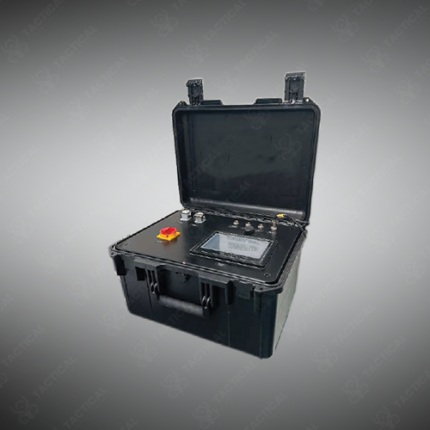
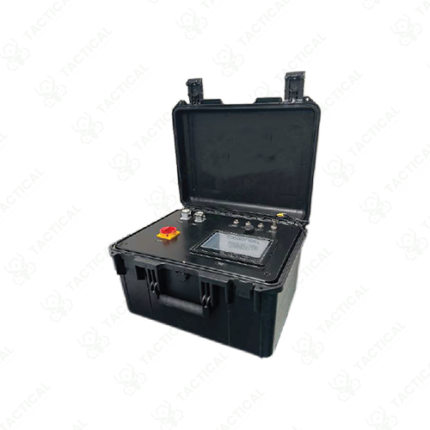
Leak Test System
Leak test systems verify the integrity of sealed components, pressurized assemblies, and fluid-carrying systems by applying controlled pressure or vacuum and measuring the rate of loss against defined acceptance limits. These systems serve manufacturing end-of-line quality gates, incoming inspection, field maintenance verification, and regulatory compliance testing across industrial, pharmaceutical, defense, and automotive applications.
Pressure decay is the most commonly applied leak test method for production line use. The system pressurizes the test part to a set level, isolates it from the supply, and monitors pressure over a defined stabilization and test period. Electronic pressure transducers measure pressure drop at resolutions below 0.001 PSI — detecting leaks as small as 0.1 sccm on small sealed volumes. Differential pressure decay variants compare the test part pressure against a sealed reference volume simultaneously, canceling temperature and barometric drift effects that would otherwise mask small leak signals. Furthermore, mass flow testing measures the supply gas volume needed to maintain a target pressure in the test article — directly reporting leak rate in sccm without requiring calculation from pressure change data.
Vacuum decay testing draws a controlled vacuum around the external surface of the test article rather than pressurizing the interior — making it the standard method for testing filled pharmaceutical packages, sealed food containers, and liquid-filled medical devices where internal pressurization would damage the product. Additionally, helium mass spectrometer leak detectors reach sensitivity levels of 5×10⁻¹² mbar·L/s for hermetic seal verification on defense electronics enclosures, vacuum chambers, and medical implant housings where pressure-based methods lack sufficient detection capability.
Production leak test systems integrate directly into assembly lines through PLC interfaces, conveyor interlocks, and barcode or RFID part tracking — rejecting failed parts automatically without operator intervention. Test cycle times on optimized systems run under 5 seconds per part on high-throughput automotive and electronics assembly lines. Calibrated test leak standards in NIST-traceable configurations validate system performance at regular intervals for quality management system documentation.
These systems serve Pakistan’s pharmaceutical packaging lines in Karachi and Lahore, Pakistan Aeronautical Complex aircraft component acceptance testing programs, automotive assembly operations, Pakistan Ordnance Factories sealed ordnance component testing, and industrial valve and fitting manufacturers requiring certified, auditable leak rate verification before product release.
Tactical Supply Pakistan supplies leak test systems for pharmaceutical packaging, defense component sealing, industrial quality control, and aerospace acceptance testing procurement across Pakistan.
Showing the single result