Latent Fingerprint Detection
Latent fingerprint detection covers the techniques, chemical reagents, optical instruments, and physical development methods used to visualize invisible fingerprint deposits left at crime scenes — converting friction ridge residue into visible or fluorescent marks suitable for photography, comparison, and database matching. Latent prints consist of sweat, oils, and skin cell deposits too thin to see with the naked eye under normal lighting conditions.
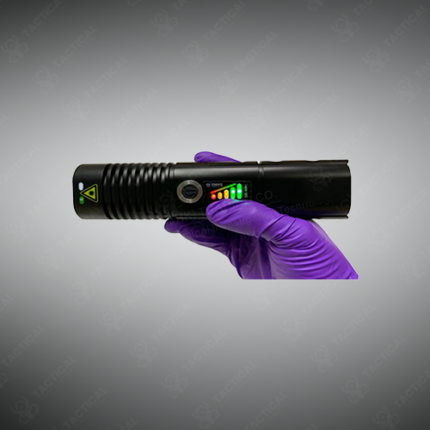
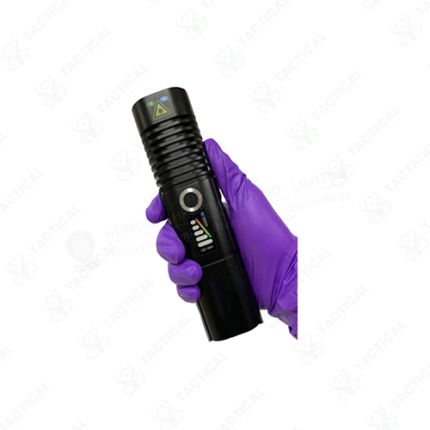
Optical detection methods use high-intensity light sources at specific wavelengths to excite fluorescence from fingerprint residue directly or from fluorescent reagents applied to treated prints. Forensic laser and LED illuminators at 415nm, 445nm, 473nm, and 532nm reveal latent prints on multi-colored, patterned, and textured surfaces where powder development produces insufficient contrast. Barrier filters on examination goggles and camera lenses block the excitation wavelength and transmit only the fluorescence emission — producing high-contrast images of prints against dark backgrounds.
Chemical development reagents target specific components in fingerprint residue. Ninhydrin reacts with amino acids in sweat deposits on porous surfaces including paper, cardboard, and untreated wood — producing a purple Ruhemann’s product visible under white light. DFO and 1,8-diazafluoren-9-one produce fluorescent derivatives from the same amino acid reaction — detectable at significantly lower deposit concentrations than ninhydrin under laser or LED illumination. Furthermore, cyanoacrylate (superglue) fuming deposits a white polymer on the lipid components of prints on non-porous surfaces including glass, plastic, metal, and coated finishes — making prints visible before fluorescent dye staining with Basic Yellow 40 or Rhodamine 6G enhances them for photography under green laser excitation.
Physical developer reagents deposit silver onto fatty acid components of fingerprint residue — recovering prints from items that have been submerged in water for extended periods where amino acid and lipid components have washed away. Additionally, vacuum metal deposition (VMD) using gold and zinc layers detects prints on plastic bags and difficult polymer surfaces at detection sensitivity levels surpassing all chemical methods on these substrates.
These techniques and instruments serve Pakistan’s Punjab Forensic Science Agency, FIA forensic document and evidence laboratories, Counter Terrorism Department post-blast evidence processing teams, and police crime scene examination units across Karachi, Lahore, Islamabad, and Peshawar requiring reliable latent print recovery across diverse evidence substrates in serious crime and terrorism investigations.
Tactical Supply Pakistan supplies latent fingerprint detection reagents, optical instruments, and development equipment for forensic crime scene and laboratory evidence processing procurement across Pakistan.
Showing the single result