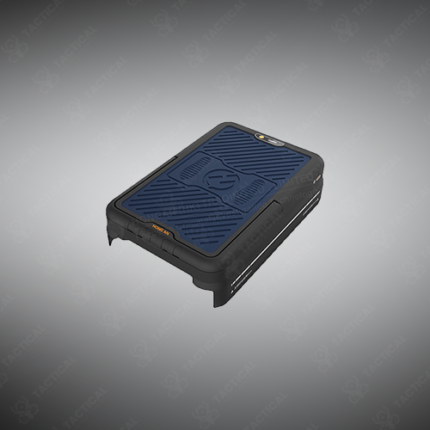
Laser Footprint Scanner
Laser footprint scanners capture the three-dimensional geometry of a human foot using structured laser light projection or laser triangulation — producing accurate digital foot models for custom orthotic fabrication, footwear fitting, sports performance analysis, and forensic foot impression identification. These systems replace traditional plaster casting and foam impression methods with a contactless, rapid scanning process that delivers precise dimensional data in seconds.
The scanning mechanism projects laser line patterns or a structured light grid across the plantar and dorsal foot surface. Cameras positioned at calibrated angles capture the laser deformation pattern on the foot contour. Triangulation algorithms reconstruct the 3D surface from these captured images, generating a point cloud with measurement accuracy between 0.1mm and 0.5mm depending on scanner grade and scan volume. Furthermore, full foot scan capture time runs from 1.5 seconds on single-shot structured light systems to 5–10 seconds on rotary laser line scanners that sweep around the foot in a fixed stand. Output files export in STL, OBJ, and PLY formats — directly compatible with orthotic CAD/CAM software including Delcam OrthoModel, Footwork, and custom insole milling machines.
Clinical-grade systems capture bilateral foot scans simultaneously — measuring both feet in a single standing position scan to account for bilateral asymmetry in arch height, foot length, and forefoot width. Key measurement outputs include foot length, arch height index (AHI), heel width, forefoot width, instep height, and plantar pressure distribution when combined with pressure platform integration. Additionally, forensic-grade laser foot scanners capture barefoot impressions from crime scenes or detention scenarios — producing dimensional records for comparison against suspect foot geometry in identification proceedings.
Portable handheld laser foot scanners weighing under 500 grams extend scanning capability to field medical units, retail fitting environments, and remote clinic deployments without fixed scanning booth infrastructure.
These systems serve Pakistan Army medical corps custom orthotic programs for infantry soldiers, CMH rehabilitation departments, sports medicine clinics in Lahore and Karachi, shoe manufacturing facilities requiring digital lasts, and forensic science laboratories conducting foot impression evidence analysis.
Tactical Supply Pakistan supplies laser footprint scanners for orthotic fabrication, forensic foot identification, and custom footwear fitting procurement across Pakistan.
Showing the single result