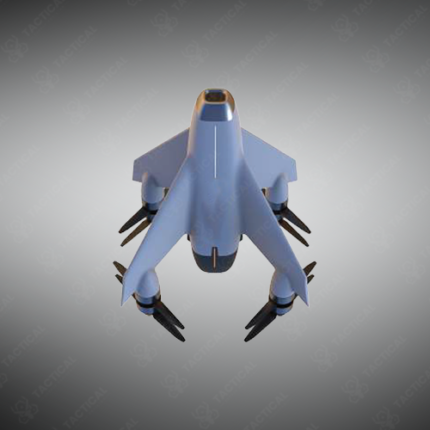
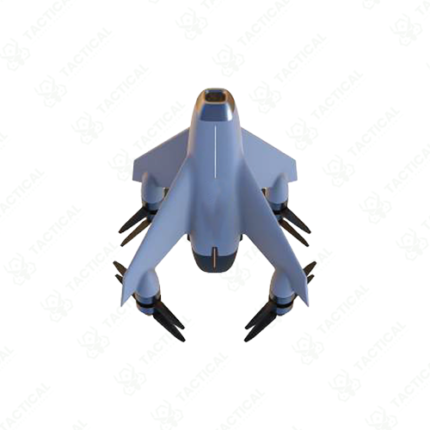
Interceptor Drones
Interceptor drones are purpose-built unmanned aerial systems that physically defeat hostile UAVs through direct kinetic impact, net deployment, or tethered capture — providing a hard-kill counter-drone capability that operates independently of RF jamming or GPS spoofing limitations. These systems address scenarios where electronic countermeasures fail against autonomous drones flying pre-programmed missions without active control links.
Net-based interceptor drones carry a deployable capture net — either forward-ejected by a pneumatic launcher or trailed behind the interceptor on a tether — that entangles target drone rotors or airframe on contact. Net deployment range on operational systems extends from 5 meters on close-range models to over 20 meters on larger platform designs. After net deployment, some systems tether the captured drone and carry it to a designated drop zone rather than releasing it in place — preventing payload detonation on impact below the intercept point. Furthermore, kamikaze interceptors sacrifice the airframe entirely — ramming the target at closing speeds above 100 km/h and transferring kinetic energy sufficient to destroy small commercial drone airframes on contact.
Autonomous tracking systems on interceptor drones use onboard electro-optical cameras, radar altimeters, and AI-based visual tracking algorithms to maintain a pursuit solution against maneuvering targets without requiring continuous human joystick input. Target acquisition cues from external ground radar or RF detection systems hand off track data to the interceptor’s autopilot, which closes the intercept geometry autonomously. Additionally, swarm interceptor configurations deploy multiple units simultaneously from a single launch station — providing overlapping engagement coverage against multi-drone raid scenarios that overwhelm single-interceptor defenses.
Airframe endurance on ready-alert interceptors ranges from 10 to 30 minutes on battery power, with launch-to-intercept times under 20 seconds from cued alert on short-range systems. Operational ceiling reaches 4,000 meters above sea level on high-altitude variants — covering Pakistan’s northern mountain terrain where commercial drone threats operate at altitudes that ground-based net launchers cannot reach.
These systems apply directly to Pakistan Army forward base air defense, Pakistan Air Force airfield perimeter protection, VIP convoy protection operations, PAEC nuclear installation defense, and event security operations in Karachi, Lahore, and Islamabad requiring physical drone defeat without electronic countermeasure limitations.
Tactical Supply Pakistan supplies interceptor drones for kinetic counter-UAS operations, airspace denial, and critical facility air defense procurement across Pakistan.
Showing the single result