Integrated Microfluidic Systems
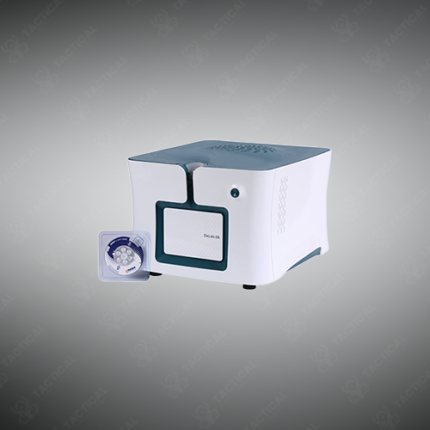
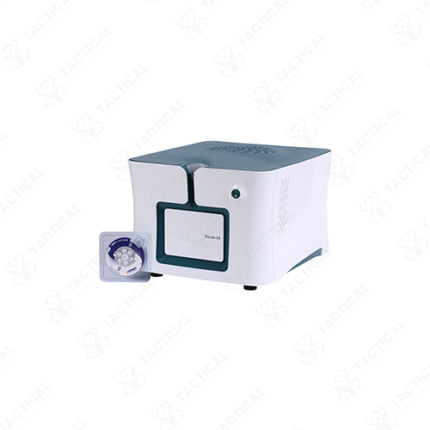
Integrated microfluidic systems are lab-on-a-chip platforms that combine multiple fluid handling, processing, and detection functions onto a single miniaturized device — replacing multi-instrument laboratory workflows with a compact, automated format that processes samples from input to result in a single enclosed environment. These systems manipulate nanoliter to microliter volumes of biological fluids, reagents, and analytes through precisely engineered microchannels measuring 10 to 500 µm in cross-section.
Core functional modules within an integrated microfluidic system include sample preparation zones for cell lysis, filtration, and nucleic acid extraction; reaction chambers for PCR amplification, enzyme-linked immunosorbent assay (ELISA), and rolling circle amplification (RCA); and detection zones using electrochemical sensors, fluorescence readers, or colorimetric output for quantitative result generation. Furthermore, on-chip pneumatic valves and micropumps control fluid movement between modules without external syringe pumps or manual pipetting steps — reducing operator intervention and the risk of cross-contamination between processing stages.
Chip substrates include polydimethylsiloxane (PDMS) fabricated by soft lithography, thermoplastic polymers including PMMA and polycarbonate for high-volume injection molding production, and silicon or glass chips for high-temperature chemical resistance applications. Channel dimensions and geometries control flow rates, mixing efficiency, and reaction kinetics — determining assay sensitivity and time-to-result performance. Additionally, digital microfluidic (DMF) platforms use electrowetting-on-dielectric (EWOD) to manipulate individual droplets across an electrode array without fixed channel networks — providing highly reconfigurable assay formats suited to research applications.
Application areas covered by integrated microfluidic systems include infectious disease point-of-care diagnostics, forensic DNA profiling, food safety pathogen detection, drug discovery high-throughput screening, circulating tumor cell (CTC) capture for oncology liquid biopsy, and single-cell genomics workflows requiring precise volume control at the individual cell level.
These systems serve Pakistan’s hospital molecular diagnostic laboratories, Shaukat Khanum research programs, pharmaceutical quality control departments, university biomedical engineering departments in Lahore and Karachi, and forensic science laboratories requiring automated, low-volume sample processing across high-throughput and point-of-care diagnostic applications.
Tactical Supply Pakistan supplies integrated microfluidic systems for molecular diagnostics, forensic analysis, pharmaceutical research, and point-of-care testing procurement across Pakistan.
Showing the single result