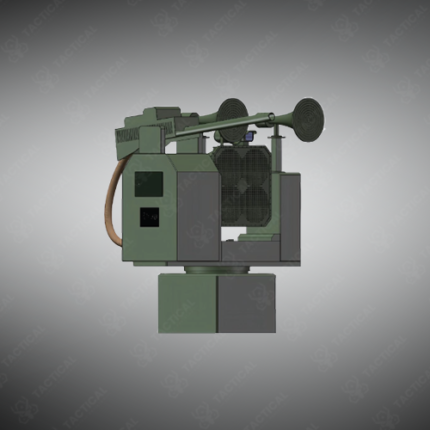
Integrated Deterrence System
Integrated deterrence systems combine physical barriers, electronic detection, AI-driven video analytics, and automated response mechanisms into a single networked security architecture. These systems move facility protection from reactive alarm response to active deterrence — detecting and responding to threats at the perimeter boundary before an intruder reaches the protected asset.
The detection layer draws from multiple sensor types operating simultaneously. Ground surveillance radar identifies moving targets across open terrain in all weather conditions and at night. Fence-mounted vibration and leakage cable sensors detect climbing, cutting, and tunneling attempts with high accuracy. Passive infrared (PIR) detectors cover ground-level approach corridors. AI-powered video analytics on PTZ and fixed cameras classify detected targets as human, vehicle, or animal — reducing false alarms from wildlife and environmental interference. Furthermore, thermal cameras maintain detection capability in complete darkness, fog, and smoke where optical cameras lose effectiveness.
When the detection layer confirms a threat, the automated response layer activates immediately. Floodlights illuminate the intrusion zone. Directional speakers broadcast verbal warnings in the relevant language. Strobes and sirens create a disorienting deterrent effect. Additionally, the command and control center receives an automated incident notification with camera feeds, radar plot, and sensor data fused into a single operator display — enabling security teams to verify the threat and dispatch response personnel with accurate location data before the intruder reaches the inner perimeter.
Integration extends across access control, CCTV recording systems, intercoms, and incident management platforms through open protocols including Modbus, ONVIF, and API-based software interfaces. Mobile communications push real-time situational awareness to field response teams beyond the control room. Moreover, system logs capture every detection event, alarm acknowledgment, and response action with timestamps for post-incident audit and legal evidence purposes.
These systems serve Pakistan Army forward operating bases, Pakistan Air Force airfield perimeter defense, nuclear facility security in Chashma and Khushab, Karachi Port Trust critical infrastructure protection, and VIP compound security across Islamabad and Lahore requiring layered, automated perimeter defense against intrusion, sabotage, and terrorist threats.
Tactical Supply Pakistan supplies integrated deterrence systems for military base perimeter defense, critical infrastructure protection, and facility security procurement across Pakistan.
Showing the single result