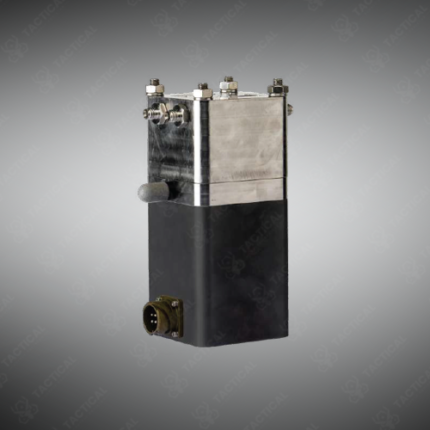
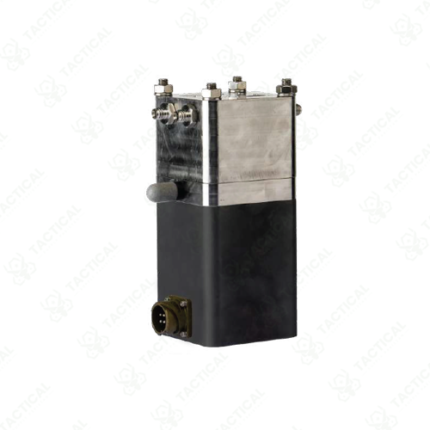
High Pressure Pneumatic Weapon Ejection System
High pressure pneumatic weapon ejection and release systems use clean, dry compressed air or nitrogen to separate munitions from aircraft bomb racks, wing pylons, and internal weapons bays. These systems replace legacy pyrotechnic impulse cartridge designs — eliminating explosive residue, reducing maintenance requirements, and delivering consistent shot-to-shot ejection performance across multiple release cycles without replacing single-use components after each mission.
The Marotta MPACT system operates in milliseconds, generating high ejection velocities through a fully integrated valve manifold assembly. Each assembly combines a firing valve, integral high-pressure accumulator, relief valve, manual vent valve, latch actuators, pitch control valve, and dual outlet ports into a single compact unit. This integration reduces internal plumbing complexity and failure points compared to distributed pneumatic architectures. Furthermore, clean air operation keeps bomb and ejector racks free of hot gas fouling and explosive residue — returning hardware from missions in serviceable condition without cleaning cycles between sorties.
Pneumatic pressures across available systems range from 3,000 PSI on UAV-mounted racks such as the L3Harris BRU-78/A to 5,000 PSI on heavier-store carriage systems. The BRU-71/A — qualified for the MQ-9 Reaper — uses 14-inch hook spacing and handles stores weighing 250–500 lbs. Eaton pneumatic ejection valves handle weapon stores up to 2,000 lbs using cold gas deployment from nitrogen or compressed air stored in attached pressure vessels or supplied from onboard compressors. Additionally, the Ultra Electronics HiPPAG 500 Series continuously generates high-pressure pure air within ejector racks or pylons — eliminating gas bottle logistics chains entirely and ensuring combat readiness without pre-mission gas management by the pilot.
These systems support stealth aircraft integration by enabling internal weapons bay release without pyrotechnic signatures. Moreover, integration with aircraft onboard computers allows adaptive ejection profiles that adjust automatically based on weapon type, airspeed, altitude, and mission parameters.
These systems are operationally relevant to Pakistan Air Force fixed-wing combat aircraft upgrade programs, Pakistan Aeronautical Complex weapon system integration projects, and JF-17 Thunder weapons carriage system development where non-pyrotechnic ejection capability reduces logistics burden and improves aircraft turnaround rates at forward operating bases.
Tactical Supply Pakistan supplies high pressure pneumatic weapon ejection and release systems for aircraft armament integration, stores separation, and weapons bay upgrade procurement across Pakistan.
Showing the single result