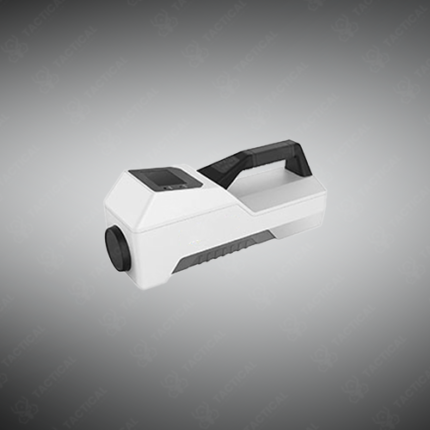
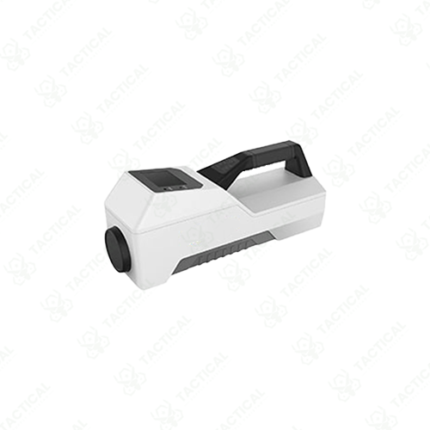
Handheld Radionuclide Detection System
A handheld radionuclide detection system is a portable spectroscopic radiation instrument that not only detects the presence of ionizing radiation but identifies the specific radioactive isotope producing the detected emission by analyzing the energy spectrum of incoming gamma photons. This isotope identification capability distinguishes radionuclide identification devices from basic dose rate meters, which confirm radiation presence without determining its source isotope. Knowing the specific radionuclide present is critical for threat classification, response protocol selection, and distinguishing between naturally occurring radioactive materials, medical radioisotopes, and special nuclear materials of security concern.
The core detection element is typically a sodium iodide, cesium iodide, lanthanum bromide, or high-purity germanium crystal scintillator, each offering different balances between detection efficiency, energy resolution, and operational temperature stability. High-purity germanium detectors provide the highest energy resolution for precise isotope discrimination but require cryogenic cooling, limiting their handheld application. Lanthanum bromide scintillators offer significantly better energy resolution than standard NaI crystals without cooling requirements, making them the preferred choice for field-deployable handheld radionuclide identification instruments. Energy resolution specifications for LaBr3-based instruments typically fall between 2.5% and 3.5% at 662 keV, sufficient to resolve closely spaced gamma lines from different isotopes.
Tactical Supply Pakistan supplies handheld radionuclide detection systems for border security, CBRN defense, nuclear facility safety, and emergency radiological response operations across Pakistan.
Showing the single result