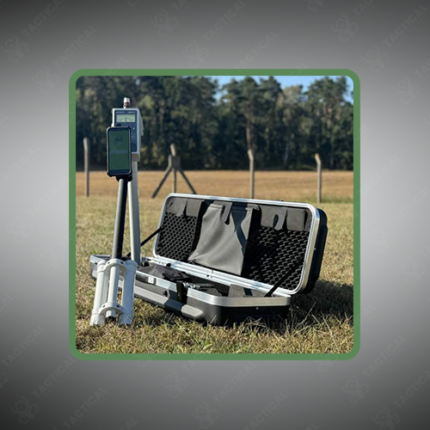
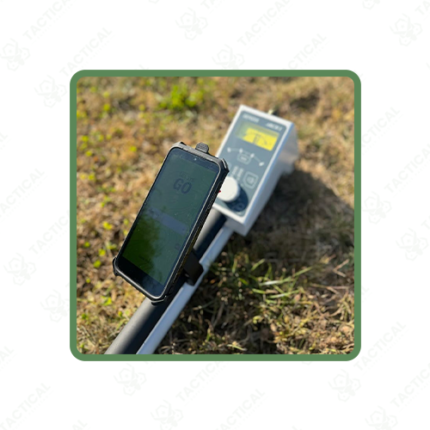
Gradient Magnetometer
A gradient magnetometer is a geophysical survey instrument employing two vertically separated magnetic sensors measuring subsurface magnetic field intensity differences, automatically canceling large-scale regional geomagnetic variations while isolating localized anomalies from buried targets. This dual-sensor configuration provides superior subsurface target detection compared to single-sensor absolute field measurement by dramatically improving signal-to-noise ratio and enabling detection of subtle anomalies from archaeological features and mineral deposits.
Operating principle measures magnetic field at two heights above the ground surface, typically 0.5 meters apart. Subtraction of upper measurement from lower measurement eliminates large-scale regional geomagnetic field variations common to both sensors. The resulting gradient measurement isolates localized magnetic anomalies from buried objects positioned between the sensors. This noise reduction enables detection of smaller targets and greater depth penetration compared to conventional single-sensor instruments.
Sensitivity specifications on professional gradient magnetometers reach 0.1 nanoTesla or lower, enabling detection of subtle magnetic anomalies from small buried archaeological features and mineral deposits. Detection range varies with target size and soil conductivity, with typical detection depths reaching 2 to 3 meters for archaeological applications and 3 to 5 meters for mineral exploration depending on target magnetic properties.
Survey procedures employ systematic grid-based measurements across exploration areas. Real-time data displays enable field personnel to assess data quality and identify promising anomalies requiring detailed investigation. GPS coordinate integration enables mapping of anomaly locations.
In Pakistan, archaeological teams use gradient magnetometers at pre-Islamic and Islamic period sites. Mineral exploration companies conduct surveys in Balochistan. Environmental agencies detect subsurface contamination extent. Military units conduct subsurface assessments.
Tactical Supply Pakistan supplies gradient magnetometers for archaeology, mineral exploration, environmental, and military applications across Pakistan.
Showing the single result