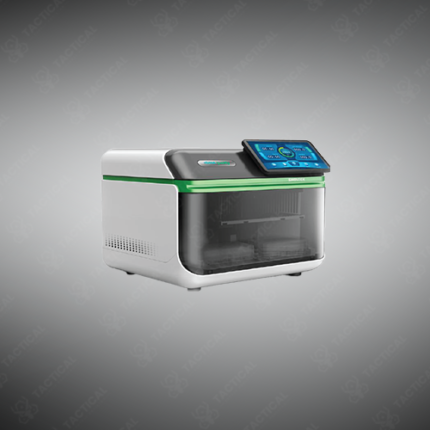
Forensic DNA Extraction System
A Forensic DNA Extraction System is a laboratory instrument or integrated workflow platform designed to isolate and purify DNA from biological evidence samples — including blood stains, buccal swabs, hair follicles, semen, saliva, touch DNA deposits, and degraded tissue — collected from crime scenes, victims, suspects, and reference samples. The system converts raw biological material into purified DNA suitable for downstream forensic profiling by short tandem repeat (STR) analysis, Y-chromosome typing, mitochondrial DNA sequencing, or other genetic identification methods accepted as evidentiary standard in Pakistani and international courts.
Automated DNA extraction systems use solid-phase chemistry on magnetic bead, silica column, or ion-exchange resin substrates to capture, wash, and elute DNA from lysed biological material through a programmed instrument protocol. Magnetic bead-based automated platforms — including benchtop liquid handling robots processing 1 to 96 samples per run — bind DNA to paramagnetic silica-coated beads under chaotropic salt conditions, wash away proteins, cell debris, and PCR inhibitors through sequential buffer stages, and elute purified DNA in low-salt buffer for quantification and amplification. Extraction time per batch ranges from 30 to 90 minutes depending on sample type and protocol.
Manual extraction methods — organic phenol-chloroform extraction, Chelex-100 resin, and differential lysis for sexual assault evidence — remain in use for specialized sample types where automated platforms show reduced performance, including very low template touch DNA samples and highly degraded or inhibited specimens. Differential lysis protocols for sexual assault evidence selectively lyse epithelial cells in a first step before a separate sperm cell lysis, separating victim and contributor DNA fractions to reduce mixed profile complexity in STR analysis.
DNA yield and purity assessment following extraction uses fluorometric quantification — typically with Qubit fluorometer and human-specific quantitative PCR — to measure total human DNA concentration before proceeding to amplification.
In Pakistan, forensic DNA extraction systems are installed in Federal Investigation Agency (FIA) forensic laboratories, provincial police forensic science labs, Medico-Legal offices, and academic institutions developing forensic science curriculum and research programs.
Tactical Supply Pakistan supplies forensic DNA extraction systems, reagent kits, and consumables for law enforcement, judicial, and research laboratory procurement across Pakistan.
Showing the single result