Flight Simulation
Flight Simulation systems are hardware and software platforms that replicate the cockpit environment, flight dynamics, avionics behavior, and visual scene of an aircraft within a ground-based training installation, enabling pilots to practice normal procedures, emergency drills, instrument approaches, and systems management without the cost, risk, and scheduling constraints of actual flight operations. From desktop procedural trainers to full-motion Level D certified simulators, flight simulation technology covers the full spectrum of aviation training requirements across fixed-wing, rotary-wing, and unmanned aircraft platforms.
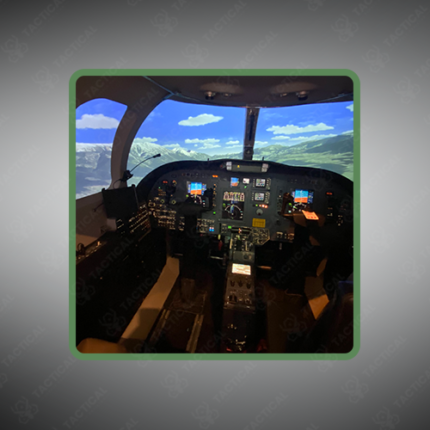
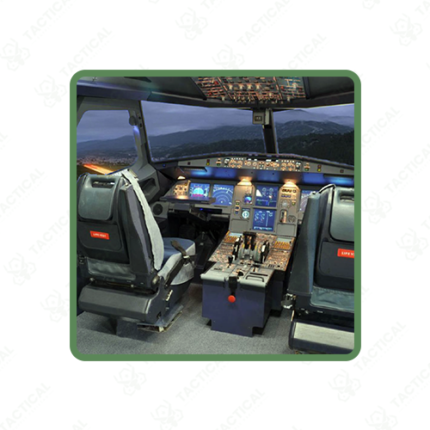
The core components of a flight simulation system include a visual display system generating an out-the-window scene across a field of view from 180 to 360 degrees horizontally, a cockpit replica with functional instrument panels, flight controls, and avionics systems replicating the specific aircraft type being simulated, and a flight dynamics model computing aircraft response to control inputs, atmospheric conditions, and system states in real time. Processing hardware runs the flight model at update rates of 60Hz or higher to maintain visual and motion fidelity.
Full flight simulators (FFS) add a motion platform — typically a six-degree-of-freedom (6-DOF) electric or hydraulic hexapod — providing pitch, roll, yaw, heave, surge, and sway motion cues that correspond to simulated flight dynamics events, improving the physiological realism of the training environment. Certification to ICAO 9625, FAA FAR Part 60, or EASA CS-FSTD standards qualifies simulator training hours for pilot licensing, type rating, and recurrent proficiency requirements.
UAV ground control station simulators replicate drone operator interfaces and mission management systems, training operators in mission planning, payload management, emergency procedures, and situational awareness without expending actual flight hours on operational aircraft.
In Pakistan, flight simulation systems are used by Pakistan Air Force training establishments, Pakistan International Airlines (PIA), private aviation training academies, and military UAV operator training programs requiring cost-effective and repeatable flight crew proficiency development.
Tactical Supply Pakistan supplies flight simulation systems across procedural trainer, full flight simulator, and UAV operator training categories for aviation and defense procurement across Pakistan.
Showing the single result